
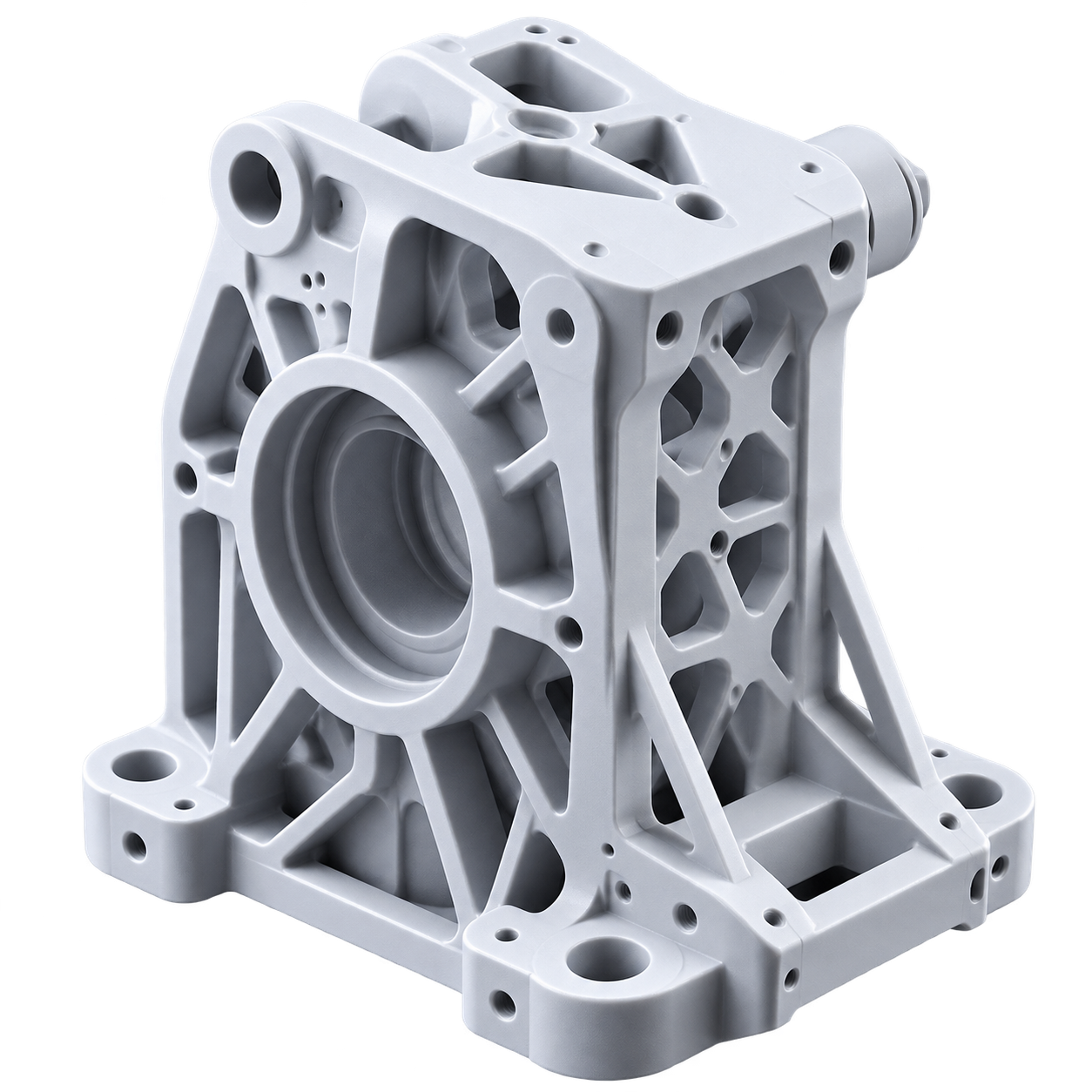
3D Printing Services
- SLA, FDM, SLS & DMLS Printing
- Precision Tolerances Down to ±0.025 mm
- ISO 9001:2015 Certified
- Complex Shapes & Geometries
Our 3D Printing Services
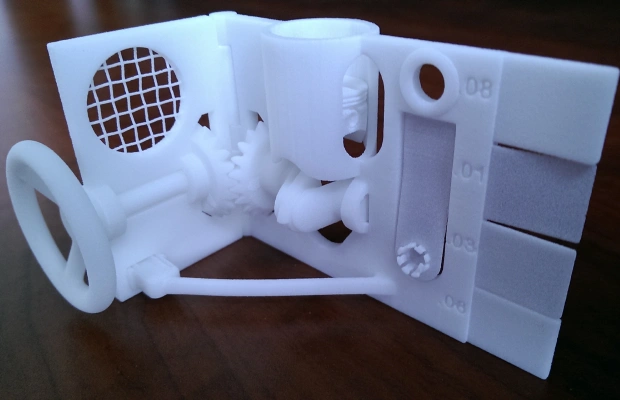
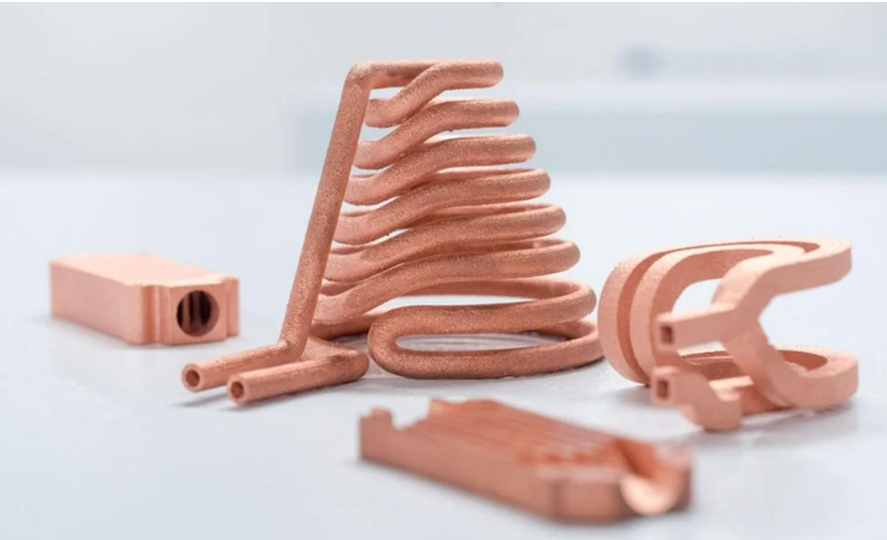
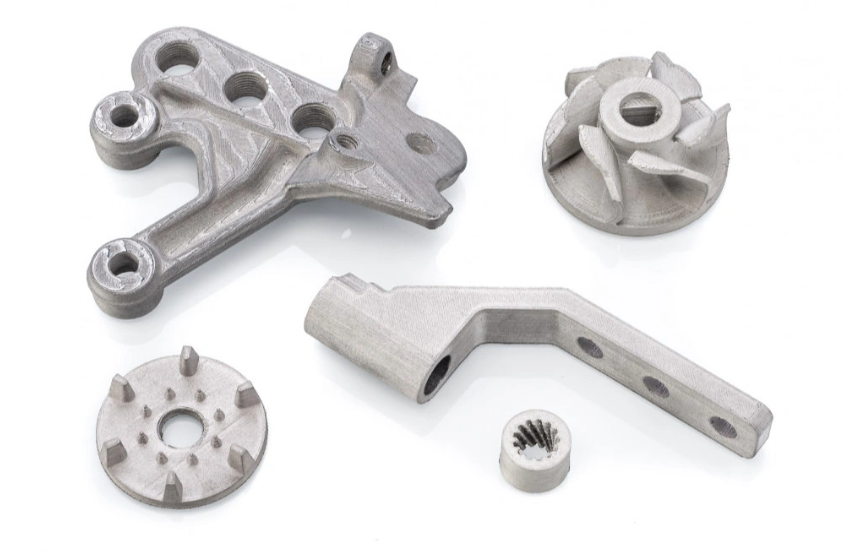
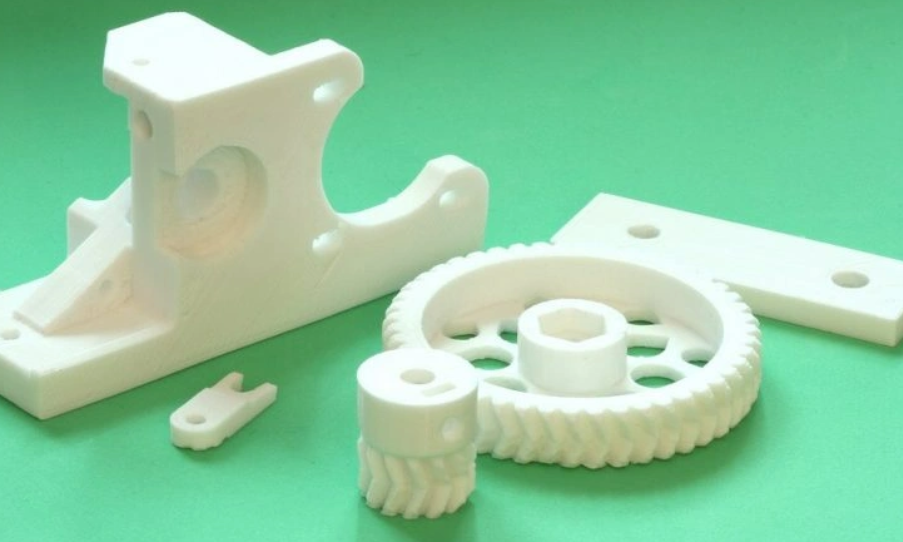
We provide professional 3D printing services using FDM, SLA, SLS, and DMLS technologies. These processes allow us to produce everything from cost-effective prototypes and high-detail resin parts to strong nylon components and high-performance metal parts.
With flexible material options, reliable quality control, and engineering support, we can help you select the right 3D printing process for your design, application, and production requirements.

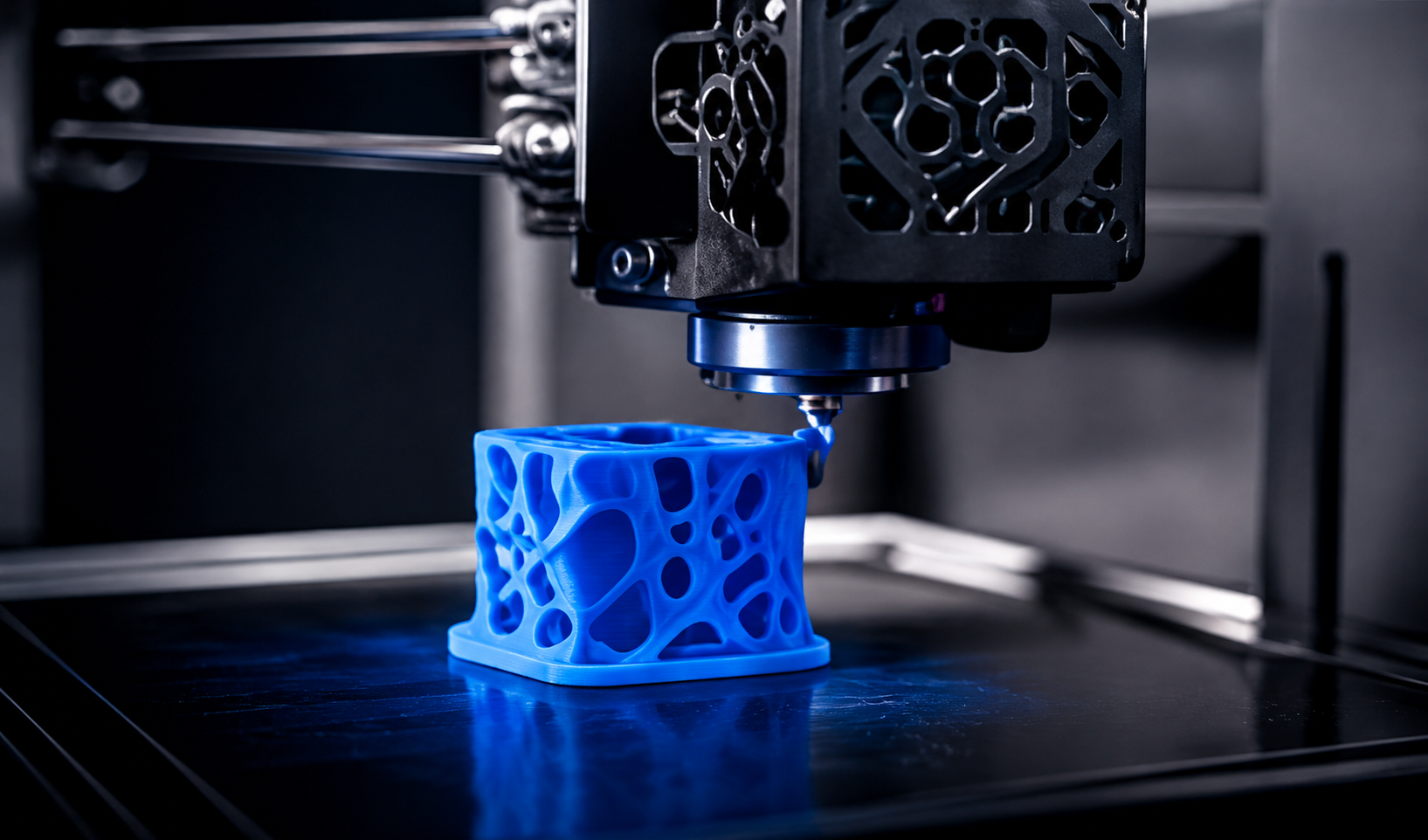
FDM
Cost-effective and versatile for prototypes, fixtures, housings, and functional parts.
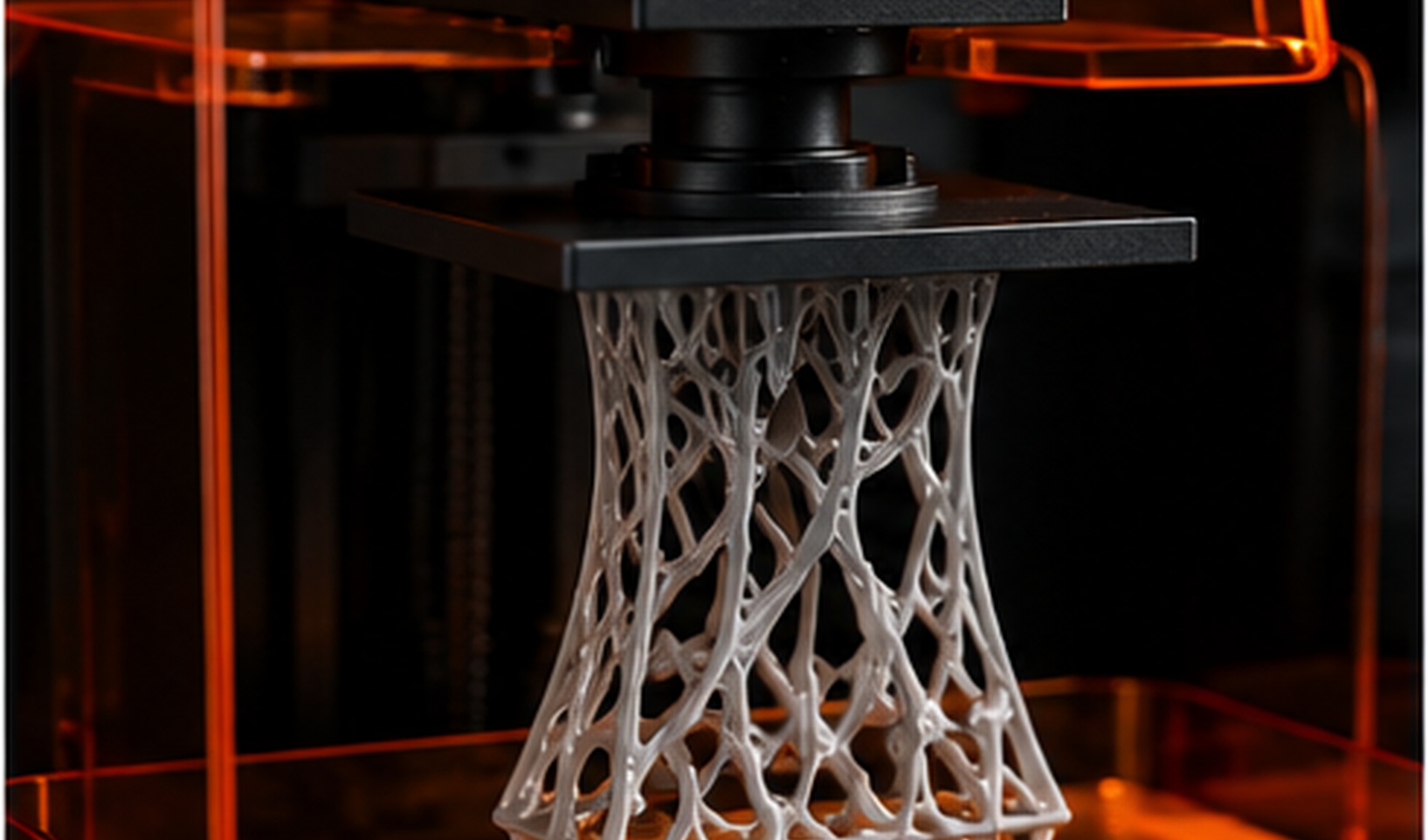
SLA
Delivers high-resolution parts with smooth surfaces and excellent detail
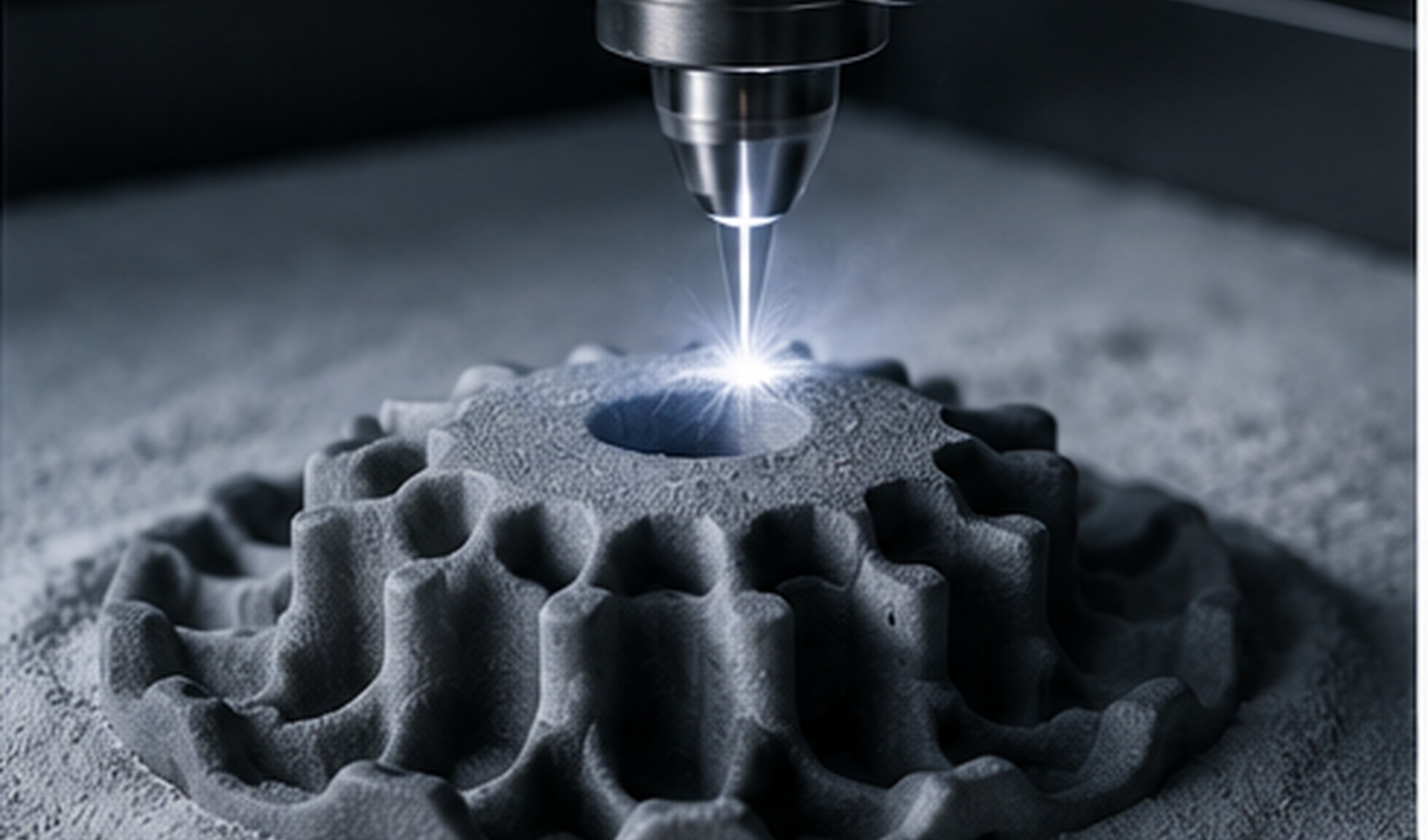
SLS
Strong, durable nylon parts without support structures, ideal for functional use.
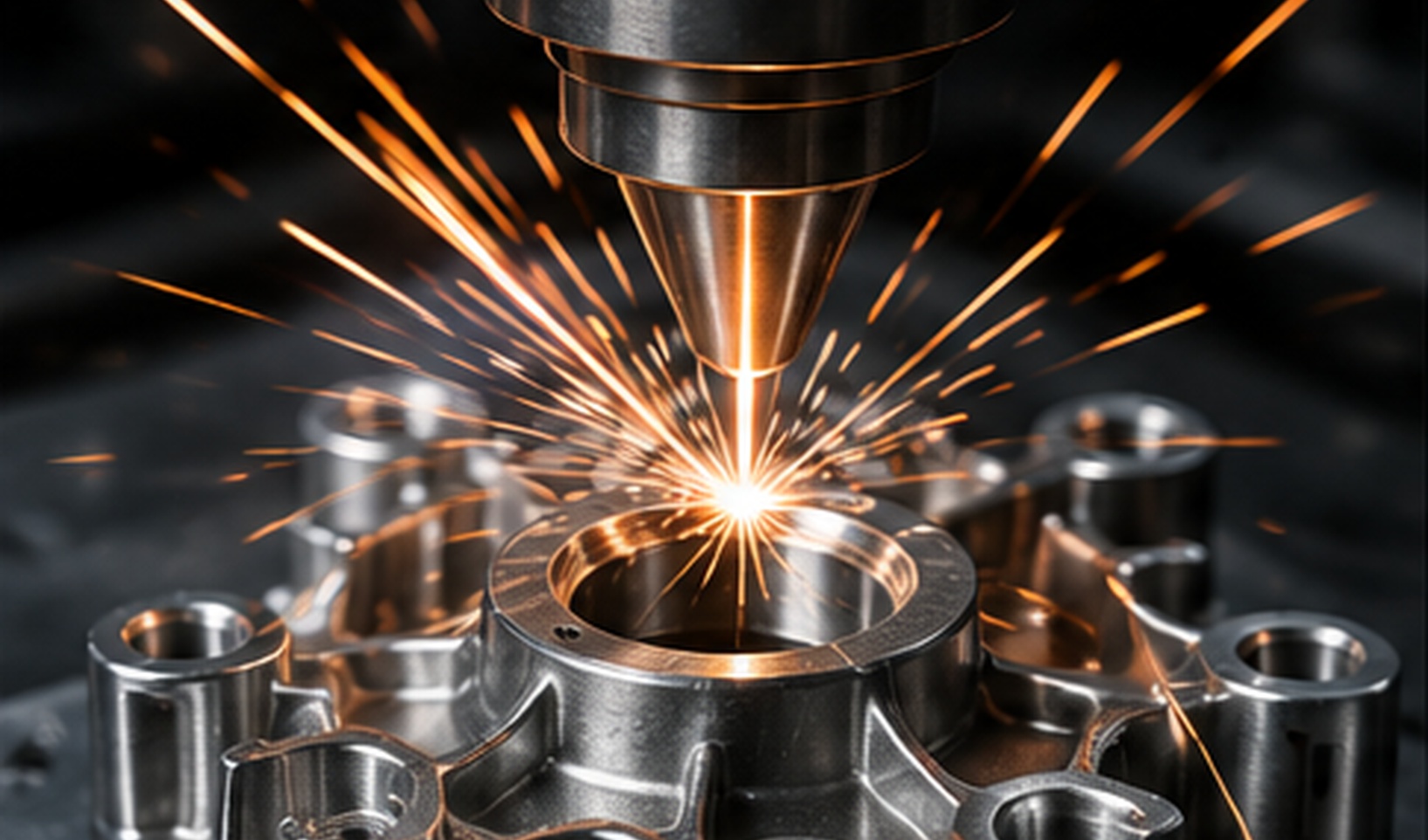
Metal 3D Printing
High-performance metal parts for demanding industrial and engineering applications.
3D Printing Capabilities
| Capability | SLA | FDM | SLS | DMLS |
|---|---|---|---|---|
| Maximum Part Size (in) | 59.00 × 29.50 × 19.70 | 36.00 × 24.00 × 36.00 | 22.00 × 22.00 × 30.00 | 10.00 × 10.00 × 8.70 |
| Minimum Feature Size (in) | 0.004 | 0.005 | 0.005 | 0.005 |
| Minimum Layer Thickness (in) | 0.001 | 0.005 | 0.004 | 0.001 |
| Tolerance (in) | 0.005 | 0.005 | 0.01 | 0.01 |
| Surface Finish | Smooth | Rough | Standard | Standard |
| Build Speed | Moderate | Slow | Fast | Fast |
| Strength | High Resolution | Durability | Mechanical Performance | High Precision |
| Limitation | Relatively Expensive | Slower Printing Speed | Limited Material Options | Smaller Build Volume |
Have a CNC Project in Mind?
Send us your drawings and requirements. Our engineering team will review your project and provide a clear, competitive quote.
3D Printing Methods and Material Options
Based on the 3D printing process, we offer a wide range of high-quality printing materials. You can select the most suitable process and material based on your end-use requirements, such as strength, hardness, flexibility, and application.
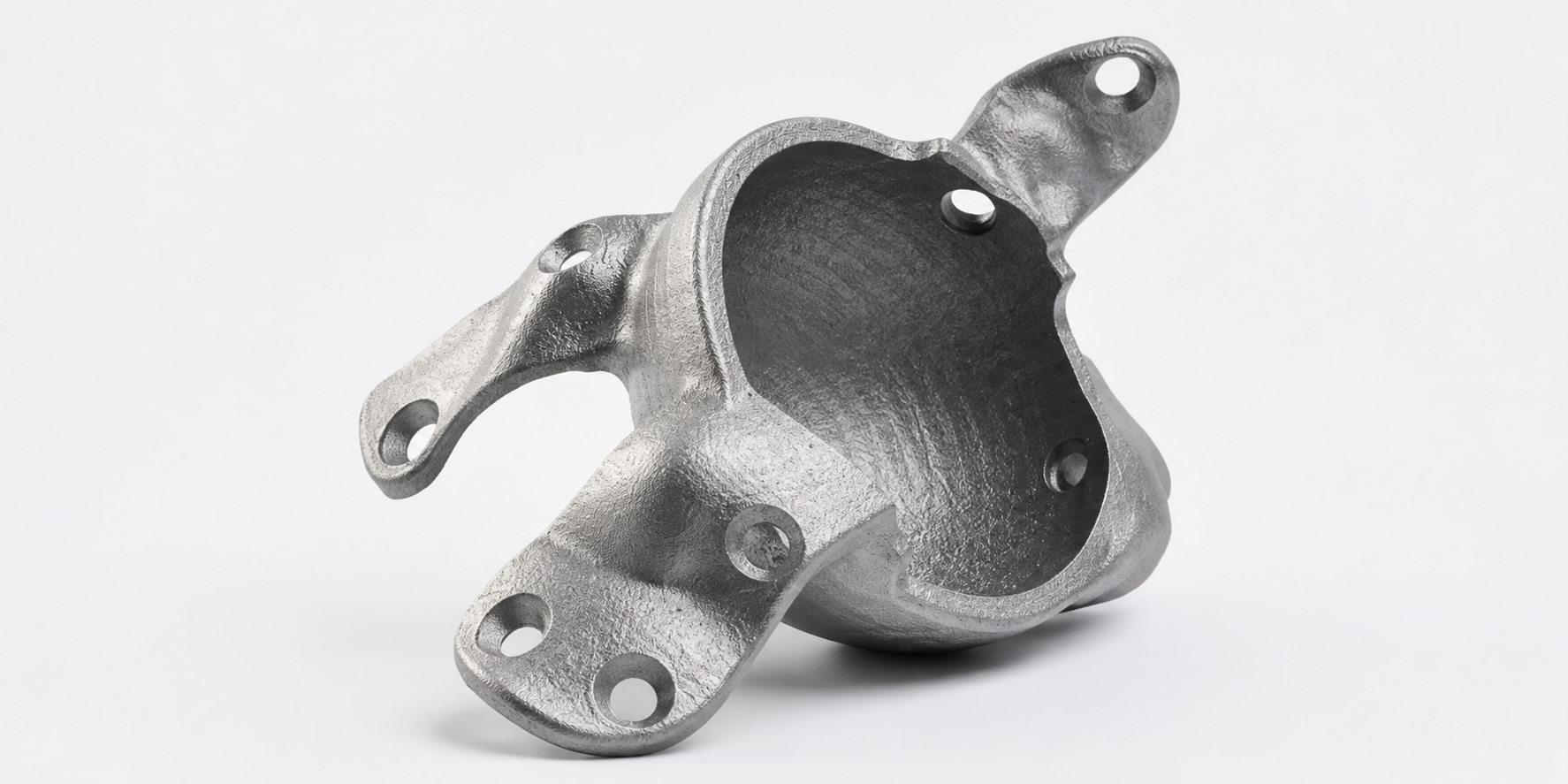
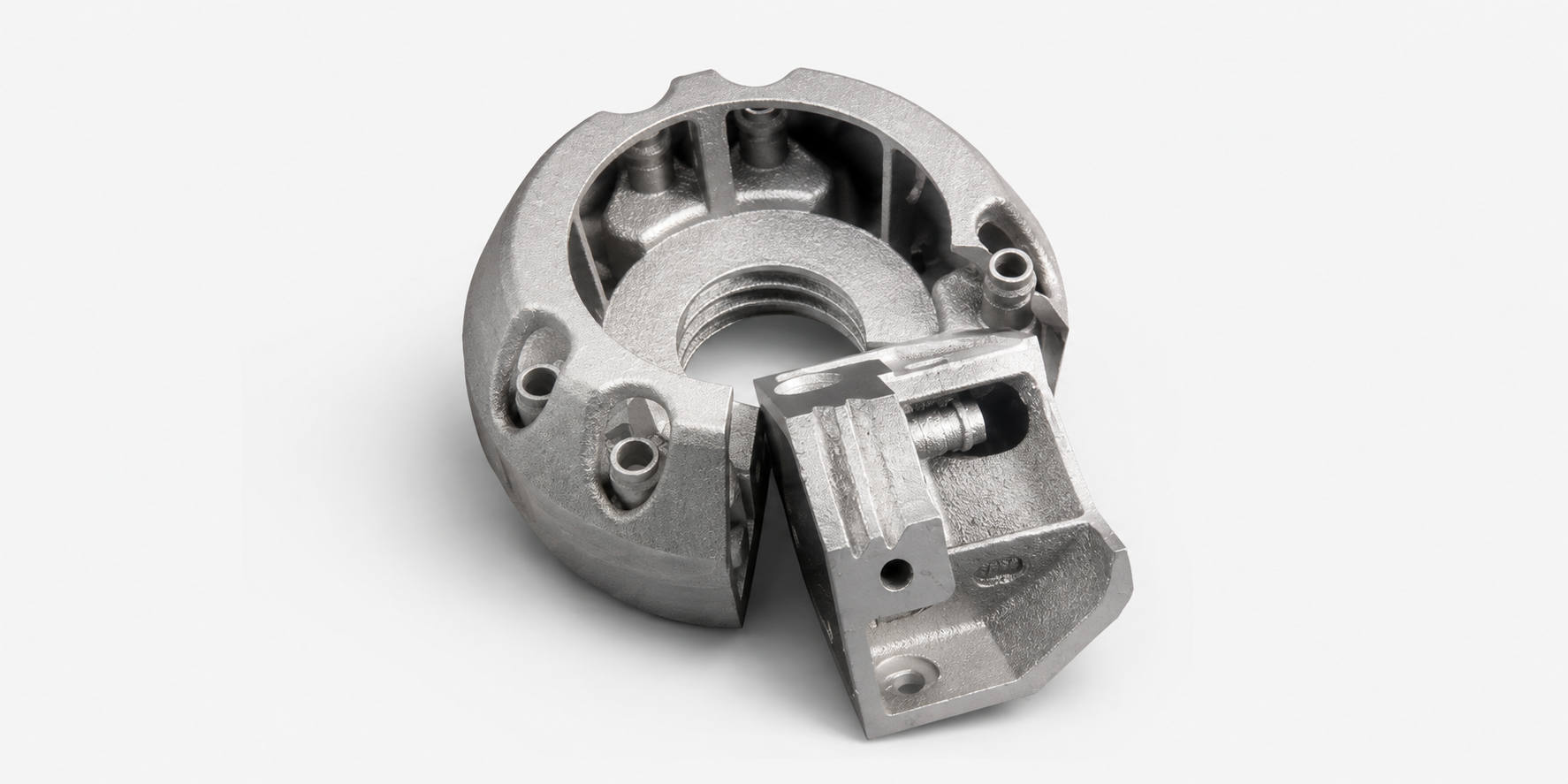
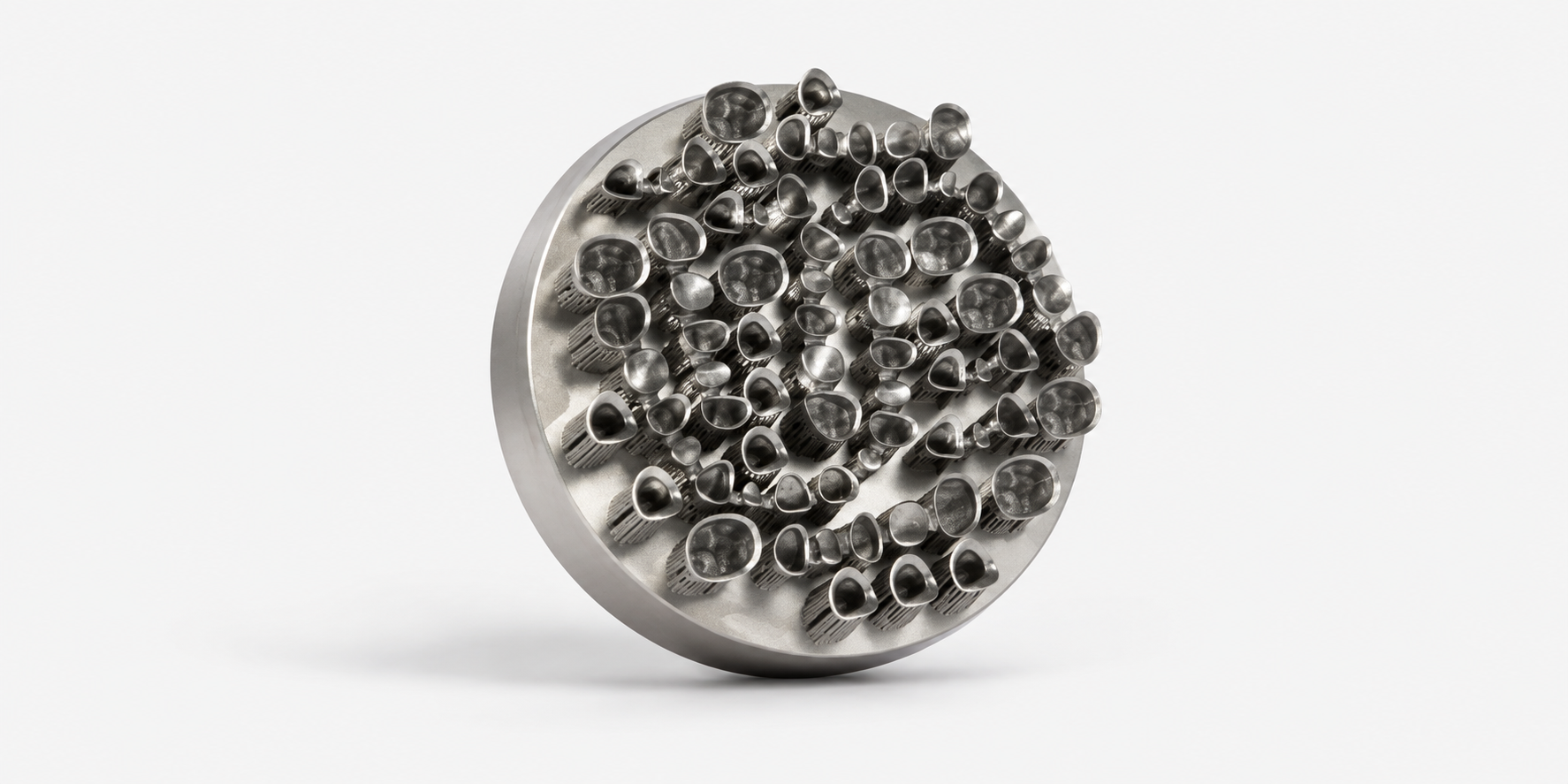
Direct Metal Laser Sintering (DMLS) 3D printing is an advanced additive manufacturing technology that uses a laser to fuse metal powder layer by layer, producing complex and highly detailed metal parts. It is an ideal choice for manufacturing intricate metal components that require high precision and design complexity.
| Image | Material | Applications | Tolerance |
|---|---|---|---|
|
Titanium Alloy | Aircraft and automotive components, medical implants | ±0.002–0.005 in |
|
Maraging Steel | Tooling, molds, and high-performance engineering parts | ±0.001–0.003 in |
|
Cobalt Chrome | Medical implants, dental restorations, and industrial components | ±0.001–0.005 in |
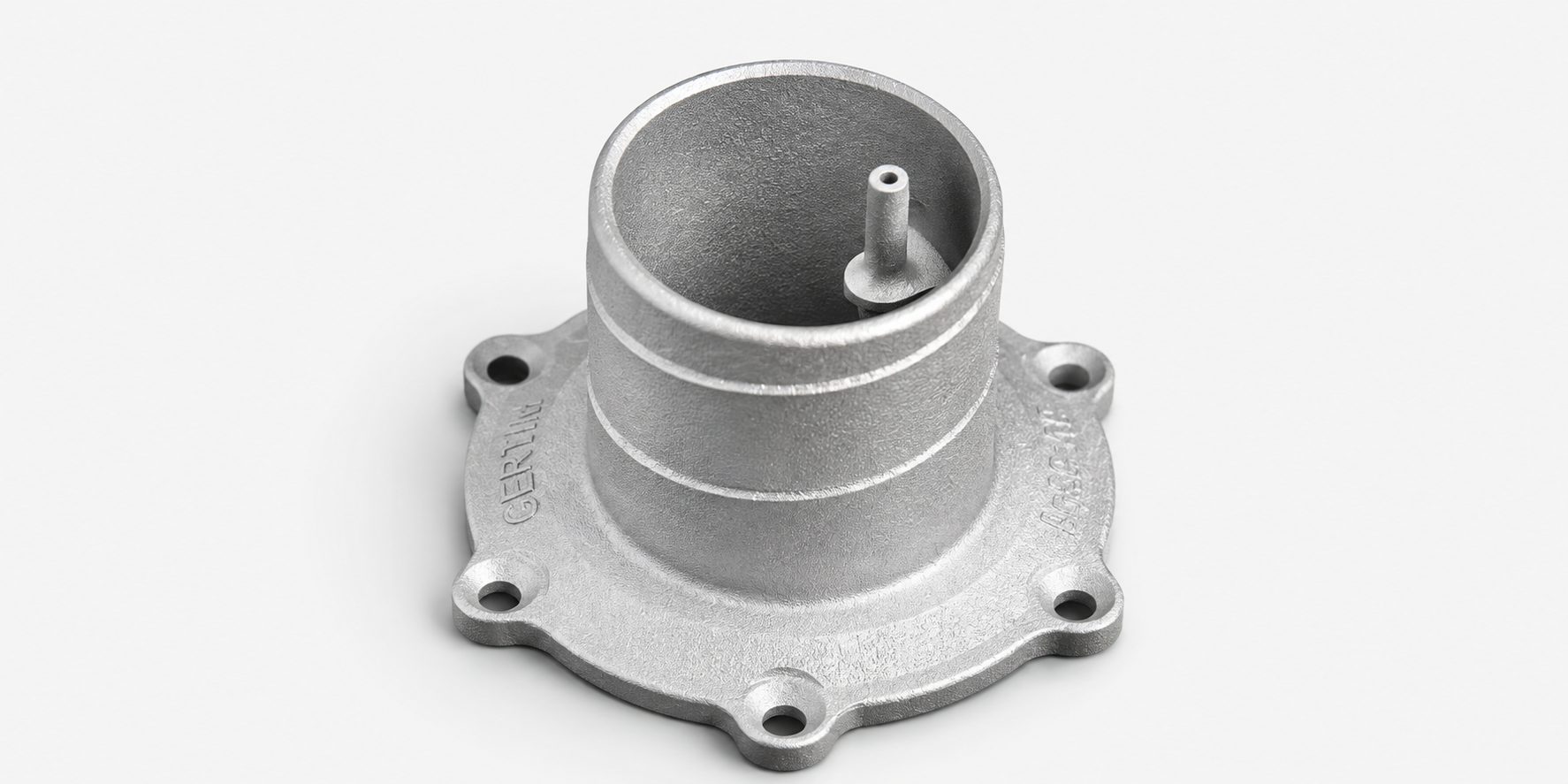
|
Aluminum Alloy | Aerospace, automotive, and heat exchanger applications | ±0.002–0.006 in |
|
Nickel Superalloy | Turbine components, exhaust systems, and high-temperature applications | ±0.002–0.005 in |
Selective Laser Sintering (SLS) uses a laser to sinter powdered material layer by layer, bonding it together to create strong and durable functional parts. Our SLS 3D printing service is ideal for complex geometries, functional prototypes, low-volume production, and custom parts.
| Image | Material | Applications | Tolerance |
|---|---|---|---|
|
PA12 | Functional prototypes, end-use parts, and medical devices | ±0.3 mm |
|
PA11 | Flexible prototypes, end-use parts, and medical devices | ±0.3 mm |
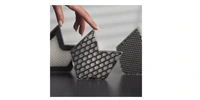
|
Nylon Composite | Structural end-use parts and functional prototypes | ±0.3 mm |
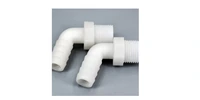
|
Polypropylene (PP) | Waterproof applications, functional prototypes, and medical devices | ±0.3 mm |
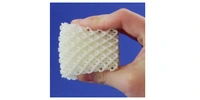
|
TPU | Flexible parts, seals, cushioning components, and medical devices | ±0.3 mm |
Fused Deposition Modeling (FDM) 3D printing uses a heated nozzle to extrude thermoplastic filament, building parts layer by layer from the bottom up until the final shape is complete. Our FDM printing service is known for its simplicity, good mechanical properties, cost-effectiveness, and versatility.
| Image | Material | Applications | Tolerance |
|---|---|---|---|
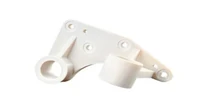
|
ABS | Test prototypes, automotive parts, housings, and functional components | ±0.15 mm |
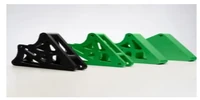
|
PLA | Concept models, educational projects, visual prototypes, and hobby applications | ±0.1 mm |
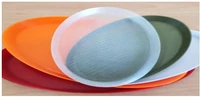
|
PETG | Waterproof applications, snap-fit assemblies, containers, and mechanical parts | ±0.2 mm |
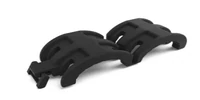
|
Nylon | Wear-resistant parts, functional prototypes, gears, and high-stress components | ±0.2 mm |
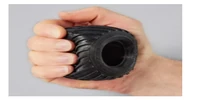
|
TPU | Flexible prototypes, seals, gaskets, and vibration-damping components | ±0.2 mm |
|
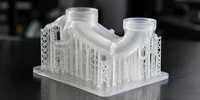
PVA | Water-soluble support material for complex FDM printed parts | ±0.1 mm |
Stereolithography (SLA) 3D printing uses a laser to cure liquid resin into solid plastic. Known for its high resolution and smooth surface finish, SLA is ideal for producing detailed and precise prototypes, models, and parts. It is widely used in industries such as dental, jewelry, and product design.
| Image | Material | Applications |
|---|---|---|
|
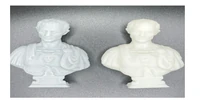
Standard Resin | Concept models, visual prototypes, presentation models, and rapid prototyping requiring fine details and smooth surfaces. |
|
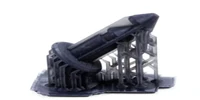
Engineering Resin | Functional prototypes, engineering components, housings, fixtures, and parts requiring improved mechanical performance. |
|
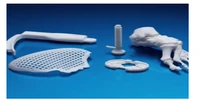
Dental & Medical Resin | Custom medical devices, dental models, surgical guides, anatomical models, and long-term dental applications. |
|
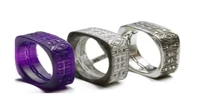
Castable Resin | Jewelry patterns, investment casting, detailed prototypes, custom jewelry, and reusable molding applications. |
3D Printing Finishing Options
Although 3D printed parts may have visible layer lines, a variety of post-processing techniques and color finishes can be used to improve their appearance and performance.
Sanding: Sanding removes larger surface imperfections and creates a smoother finish. It is often used as a preparation step for further finishing processes such as painting.
Polishing: By progressing from coarse to fine abrasives, polishing can create a smooth, refined surface. This improves appearance and can also reduce surface friction.
Painting: Colored coatings can be applied after surface preparation to customize the appearance of 3D printed parts while also adding a protective layer.
Annealing: This process uses controlled heating to smooth or stabilize the material and is commonly used with materials such as PLA and ABS. Heating the printed part to a specific temperature can help reduce internal stress.
Vapor Smoothing: Solvent vapor, such as acetone for ABS or ethyl acetate for PLA, is used to slightly soften the outer surface of a 3D printed part, creating a smoother and more uniform finish.
How to Order Parts?
Get a free quote from a real engineer. Once we receive your design, our engineers will review it and send you a quote in as little as one hour.
Get a Quote
Upload your CAD files and project requirements. Our engineers review your design and provide a fast, accurate quote.
Start Production
Once your order is confirmed, production begins. We manage machining, inspection, and manufacturing progress throughout the process.
Receive Your Parts
After final quality inspection, your parts are securely packed and shipped directly to your location.
Advantages of 3D Printing

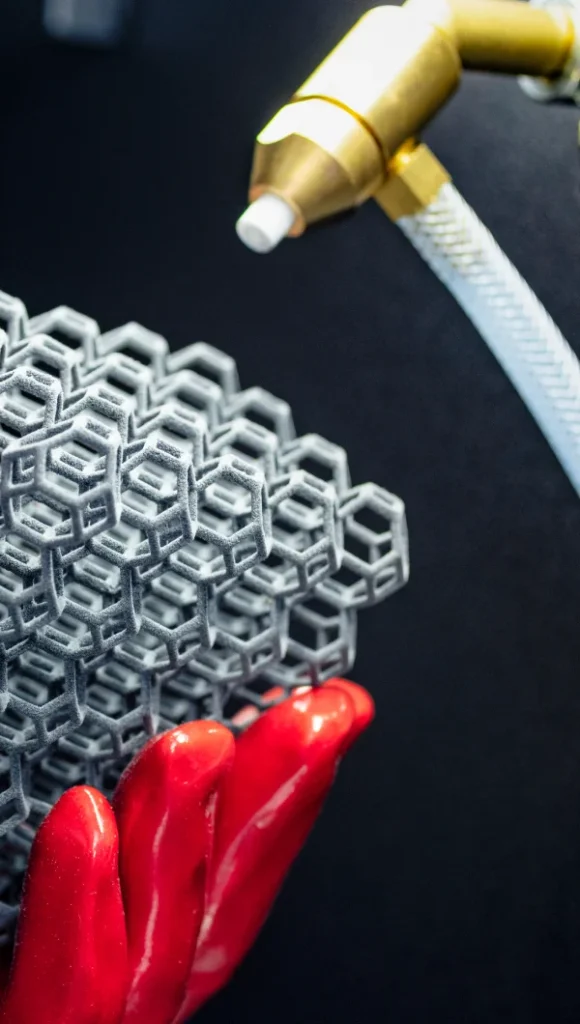
Minimal Assembly
3D printing can create multi-functional parts as a single component, reducing the need to manufacture and assemble multiple separate pieces.
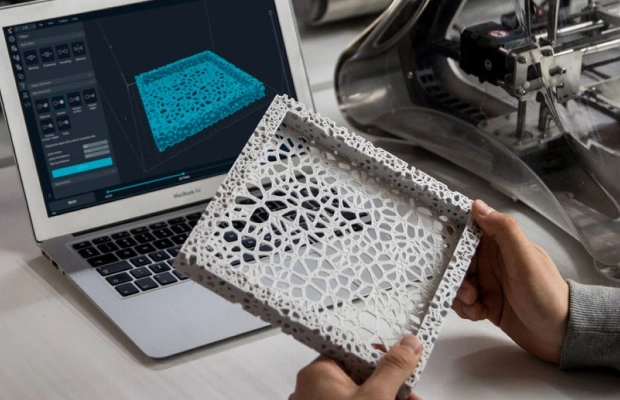
Rapid Prototyping
3D printing is ideal for fast functional and performance testing. Simply upload your design, select the material, and start printing without expensive tooling.
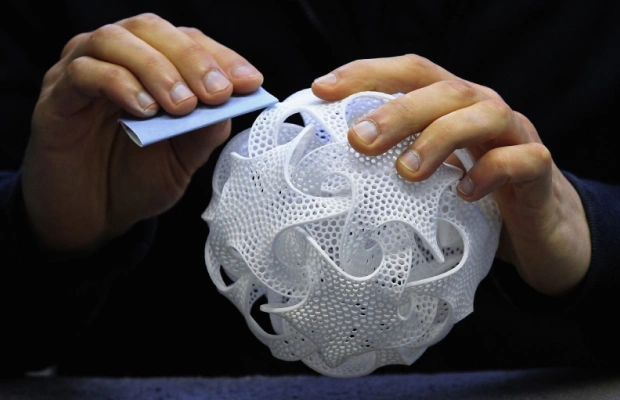
Complex Shapes & Features
Additive manufacturing can produce complex geometries such as irregular shapes, overhangs, undercuts, internal channels, cavities, interlocking parts, and fine details.
Comparison with Other Manufacturing Processes

3D Printing vs. Injection Molding
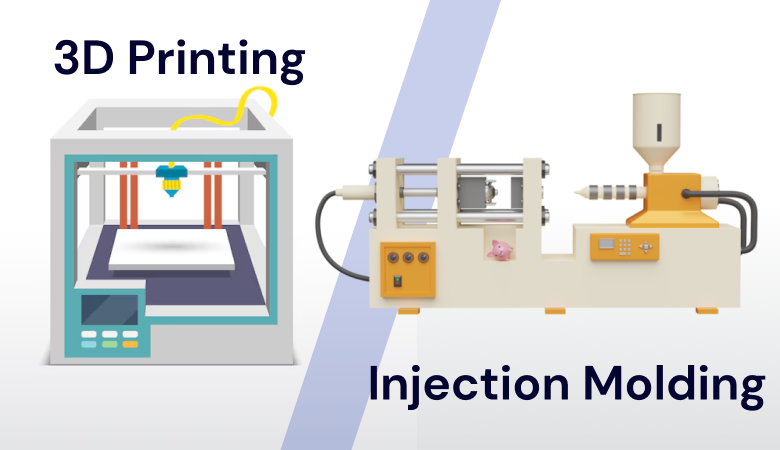
Injection molding produces parts by injecting molten thermoplastic into a pre-made mold. Once the mold is created, it can be reused to produce large quantities of identical parts at a low per-part cost.
3D Printing vs. CNC Machining
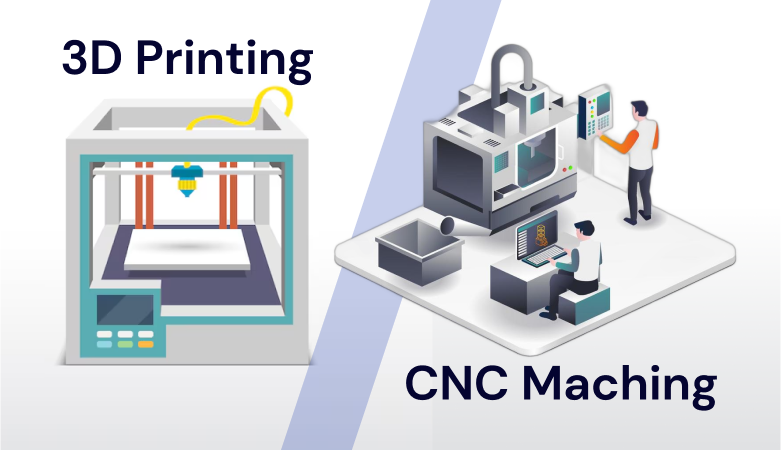
Unlike 3D printing, CNC machining is a subtractive manufacturing process. CNC machines use rotating cutting tools to remove material from a workpiece until the required shape is achieved.
| Aspect | 3D Printing | Injection Molding |
|---|---|---|
| Production Volume | Cost-effective for low-volume production | Best suited for high-volume production (1,000+ parts) |
| Design Complexity | Excellent for complex and detailed geometries | Limited by mold design and difficult for complex undercuts |
| Lead Time | Fast, with parts available in as little as 1 day | Longer due to mold production, typically 10–20 days |
| Customization | Easy to customize and modify designs | Mold modifications are difficult and expensive |
| Material Strength | Layered construction may reduce overall strength | Solid molded parts generally provide higher strength |
| Surface Finish | May require additional post-processing | Smooth and consistent surface finish |
| Aspect | 3D Printing | CNC Machining |
|---|---|---|
| Material Range | Plastics, metals, ceramics, and composites | Metals, plastics, wood, and composites |
| Complexity | High design complexity with fewer geometric limitations | Limited by tool access and part geometry |
| Tolerance | ±0.100–0.300 mm | ±0.025–0.125 mm |
| Surface Finish | Visible layer lines; varies by process | Smooth surfaces with minimal irregularities |
| Cost Efficiency | Best suited for low-volume and complex parts | More suitable for medium- to high-volume production |
| Lead Time | Fast setup and quick turnaround for prototypes and custom designs | Longer setup time, better suited for larger production runs |
Applications of 3D Printing
Aviation / Aerospace
Architectural 3D Printing
3D Printing Gallery
3D Printing FAQs
What materials are commonly used in 3D printing?
Common materials used in 3D printing include thermoplastics such as PLA, ABS, and PETG.
What are the advantages of 3D printing?
3D printing offers a high degree of customization for manufactured parts. The process follows automated digital instructions to produce components accurately and consistently. It is also well suited for rapid prototyping and the production of end-use parts across a wide range of industrial applications
What are the limitations of 3D printing?
In addition to its advantages, 3D printing also has some limitations, including limited material options, post-processing requirements, and higher costs for large-scale production.
What materials cannot be 3D printed?
3D printers generally cannot process materials that cannot be melted, cured, sintered, or otherwise deposited, such as conventional fabrics. Materials that require extremely high processing temperatures or specialized equipment can also be challenging to 3D print.
What post-processing techniques can be used to improve the surface finish of plastic 3D printed parts?
Post-processing techniques such as sanding, polishing, painting, and annealing can improve the surface finish, mechanical properties, and overall appearance of plastic 3D printed parts.