
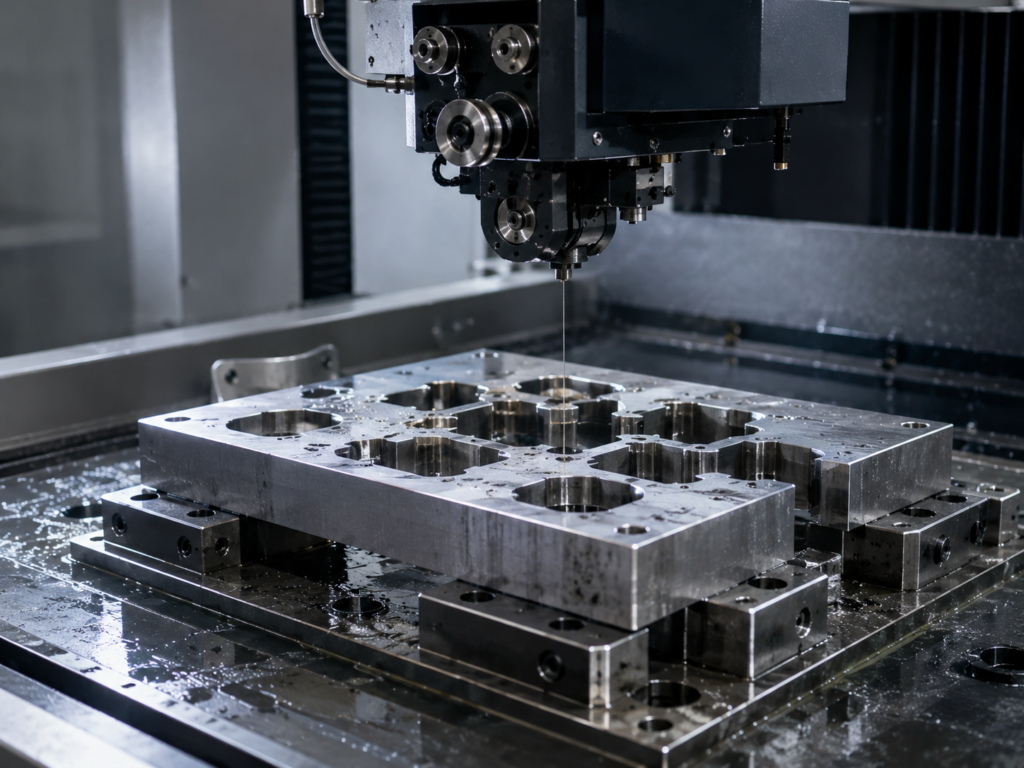

Custom CNC
Machining Service
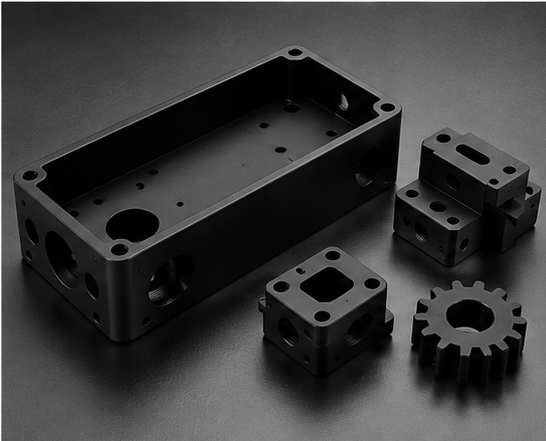
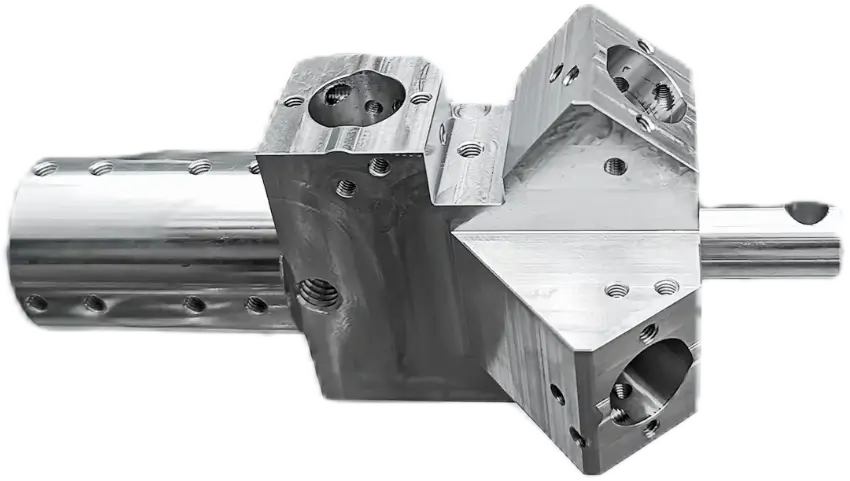
Get precise and complex machined parts from ProleanTech. Our Custom CNC Machining Service offers quick prototypes to full-scale production tailored to your needs.
We have the capability of CNC Milling, Turning, Drilling, and many other processes.
- Tolerances down to ±0.0002” (0.005mm)
- Parts as Fast as one day
- 50+ Material Options
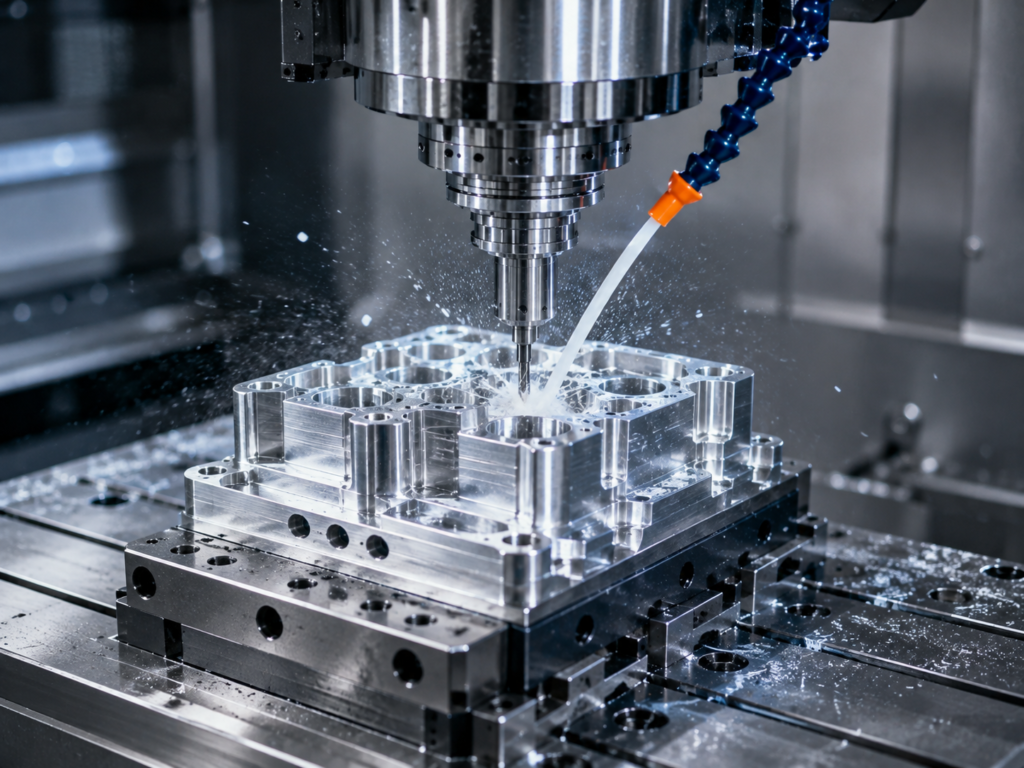
CNC Milling
Precision milling for complex surfaces, cavities, holes, and contours. Available in 3-axis, 4-axis, and 5-axis machining.
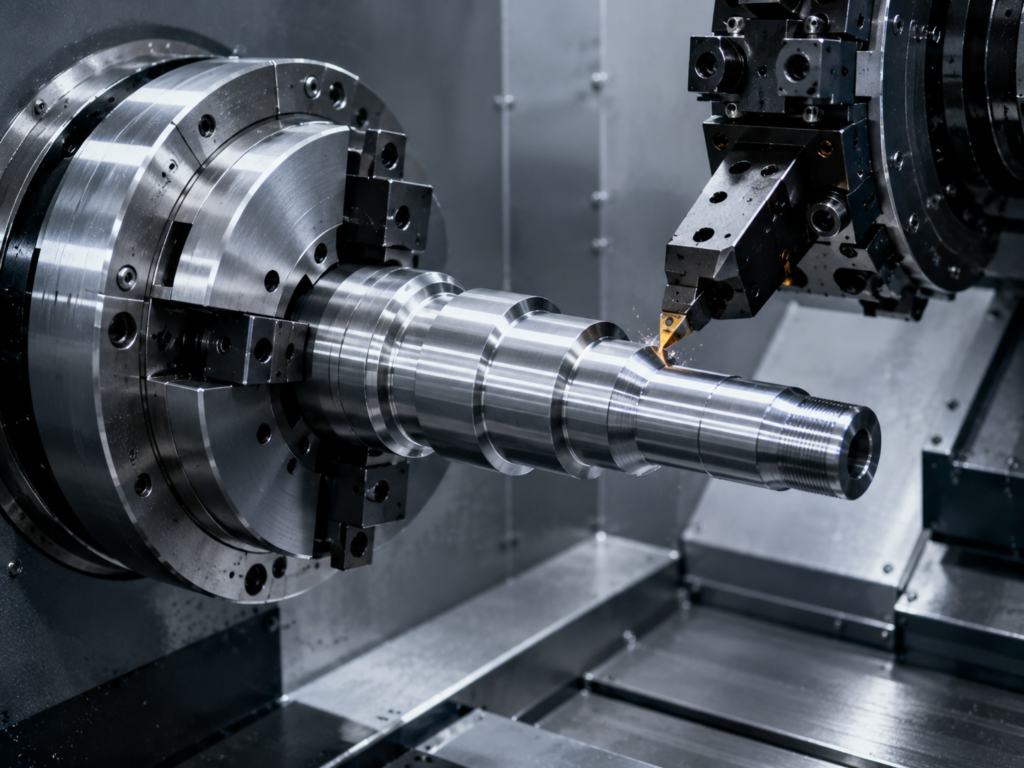
CNC Turning
Ideal for shafts, bushings, and rotational parts, delivering consistent dimensions, smooth finishes, and reliable precision.
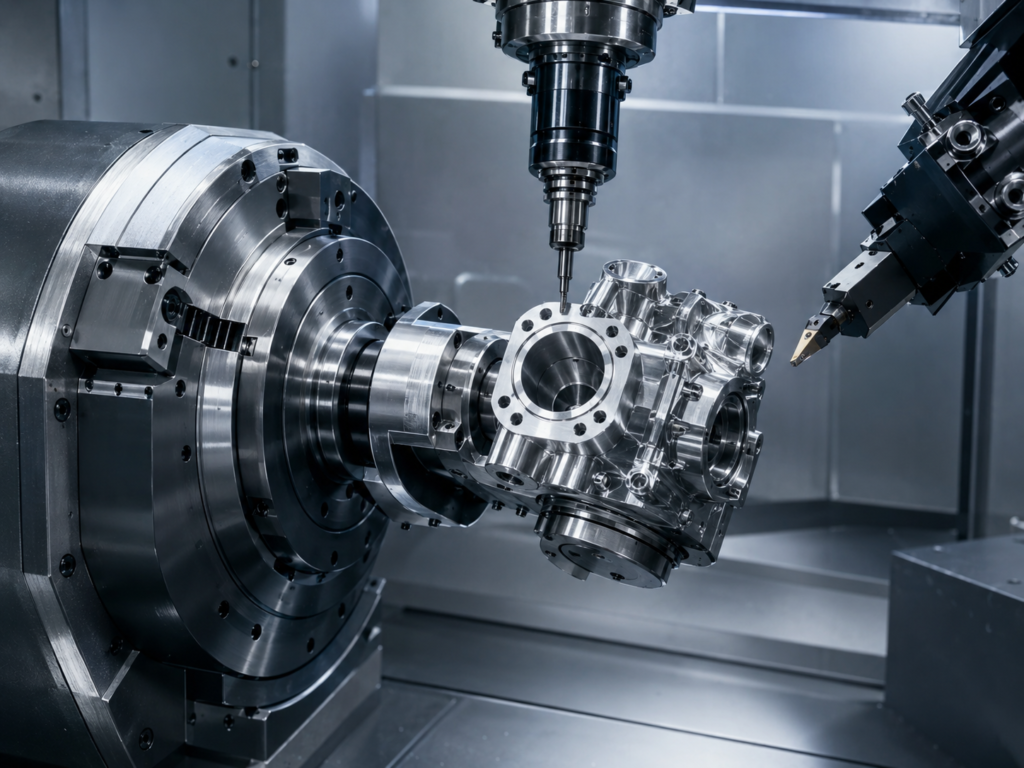
Turn-Mill Machining
Combines turning and milling in one setup, improving accuracy and efficiency for complex, high-precision components
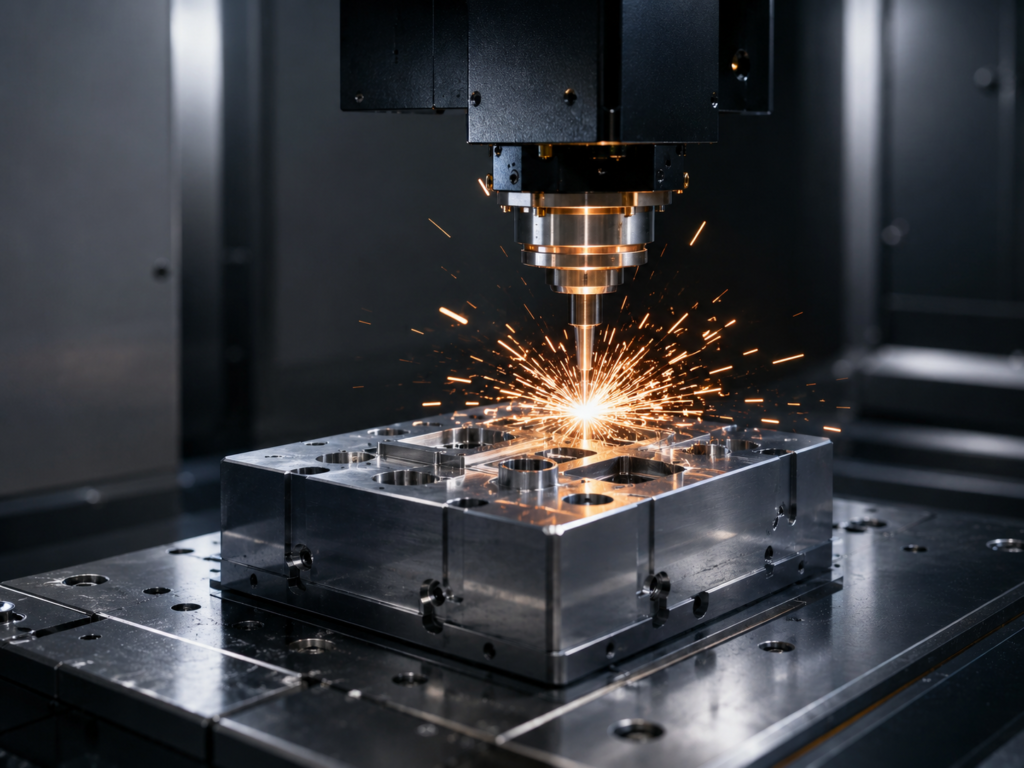
EDM Machining
Suitable for hard materials, deep grooves, sharp corners, and complex details that are difficult to machine conventionally
Wire Cutting
High-precision wire EDM for complex contours, narrow slots, and mold components with excellent accuracy and edge
Xproto CNC Machining Capabilities
Explore our CNC machining specifications for precision prototypes, complex components and production parts.
| Parameter | Specification |
|---|---|
| Machining Processes | CNC Milling, Turning, Turn-Milling, and Swiss Turning |
| Part Size | 2000 mm × 1500 mm × 600 mm |
| Minimum Wall Thickness | 0.8 mm for metals; 1.5 mm for plastics |
| Linear Tolerances | ±0.0002 in (±0.005 mm) |
| Minimum Feature Size | 0.5 mm or Ø 0.50 mm |
| Minimum Cutting Depth | 0.3 mm |
| Cavity Depth | Up to 4× cavity width (W) |
| As-Machined Finish | Ra 125 µin or better |
| Undercut Width (T-Slot) | 3–40 mm |
| Complex Features | Curved surfaces, undercuts, deep cavities, grooves, complex contours, asymmetrical features, and more. |
Why Choose Our CNC Machining Services?
Precision, flexibility, and efficient production for prototypes, low-volume runs, and repeat orders.

Consistent Precision
Automated CNC machining and controlled processes help maintain repeatable dimensions and consistent part quality from prototypes to repeat production.

Flexible Production Volumes
From one-off prototypes and small batches to repeat orders, our machining services can scale with your project requirements.

Fast Turnaround
Efficient programming, optimized setups, and automated tool changes help shorten production cycles and keep your project moving.

Complex Geometry Machining
Multi-axis machining and versatile tooling enable pockets, threads, grooves, undercuts, curved surfaces, and other complex features.

Cost-Efficient Manufacturing
Once the machining process is established, repeat production becomes more efficient, helping reduce per-part costs while maintaining consistent quality.
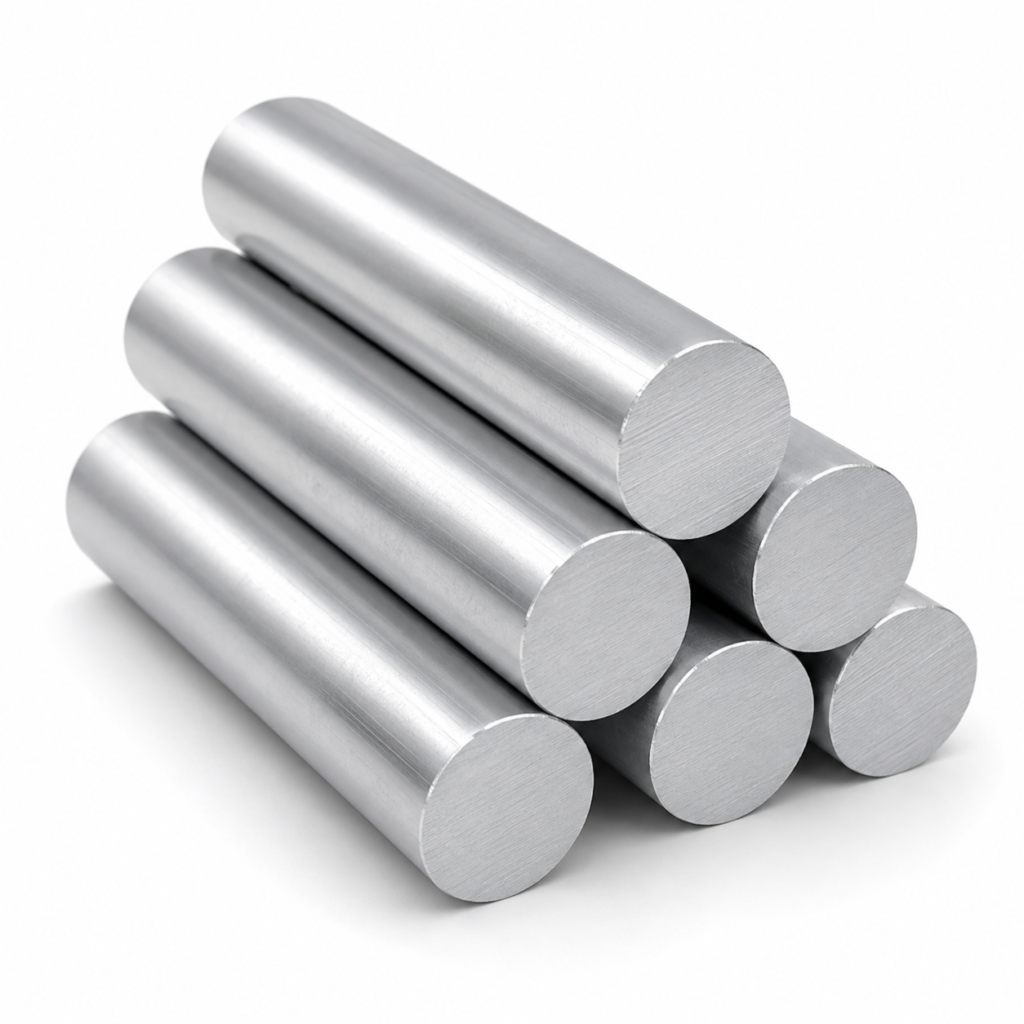
Have a CNC Project in Mind?
Send us your drawings and requirements. Our engineering team will review your project and provide a clear, competitive quote.
Materials for CNC Machining
Choose from a wide range of metals and engineering plastics to meet your performance, appearance, and production requirements
Aluminum
Lightweight, corrosion-resistant and highly machinable, aluminum is ideal for prototypes, housings, brackets and functional production parts
Common Grades
6061, 7075, 5052, 2024
Key Benefits
Lightweight Corrosion resistant Easy to machine
Applications
Housings Brackets Frames Structural parts
Finishes
Anodizing Sandblasting Polishing Powder coating
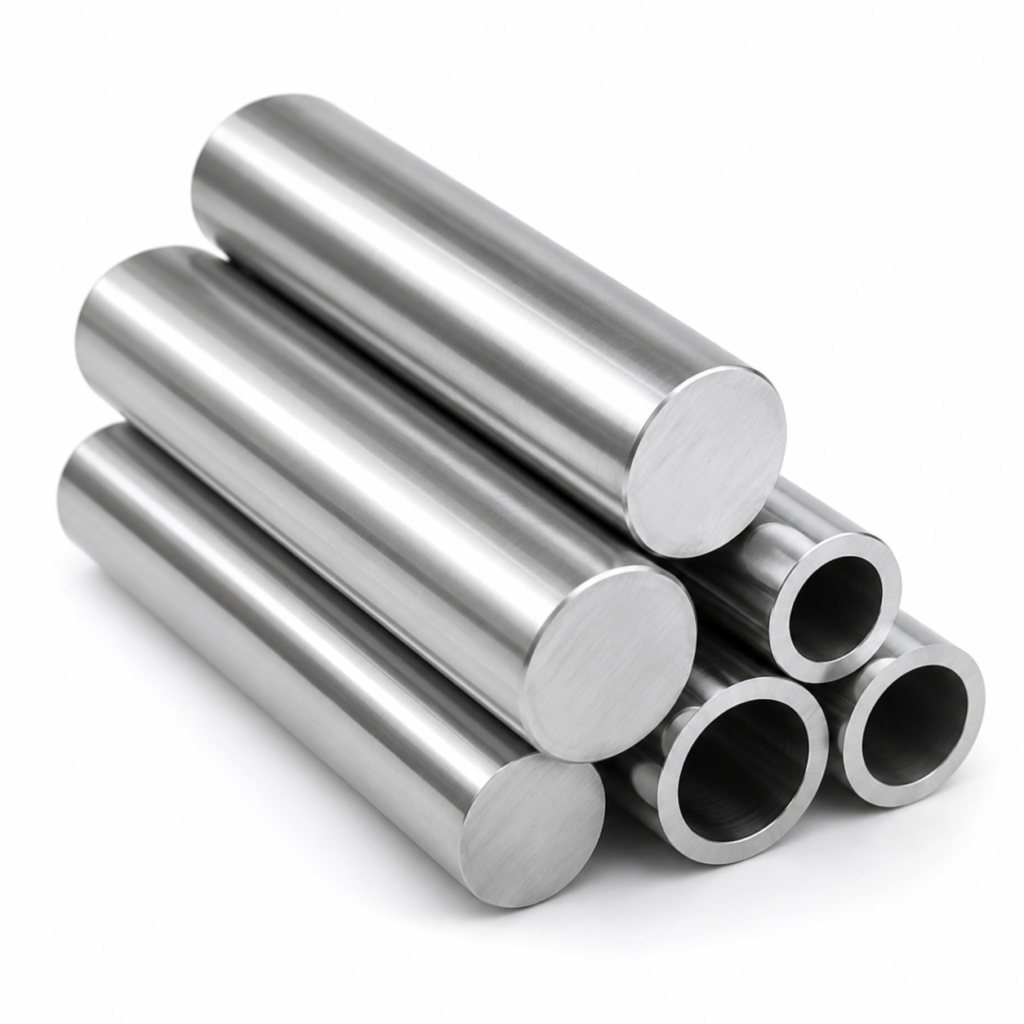
Stainless Steel
Strong, durable and corrosion resistant, stainless steel is widely used for demanding mechanical and industrial components.
Common Grades
304, 316, 17-4 PH
Key Benefits
High strength Corrosion resistant Durable
Applications
Shafts Fixtures Medical parts Industrial parts
Finishes
Polishing Passivation Brushing Electropolishing
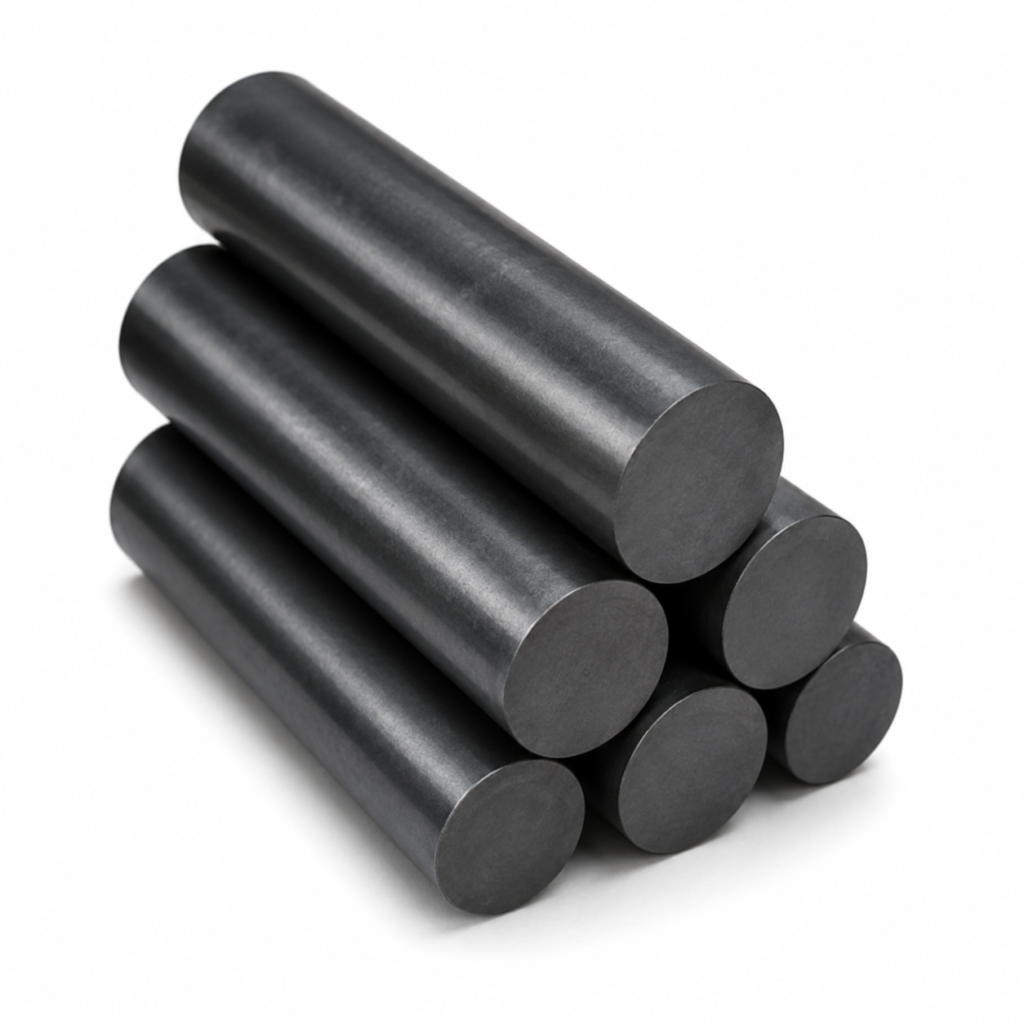
Steel
Steel provides excellent strength, durability and wear resistance for structural and mechanical applications.
Common Grades
1018, 1045, 4140
Key Benefits
High strength Wear resistant Cost effective
Applications
Fixtures Shafts Frames Machine parts
Finishes
Black oxide Plating Powder coating Polishing
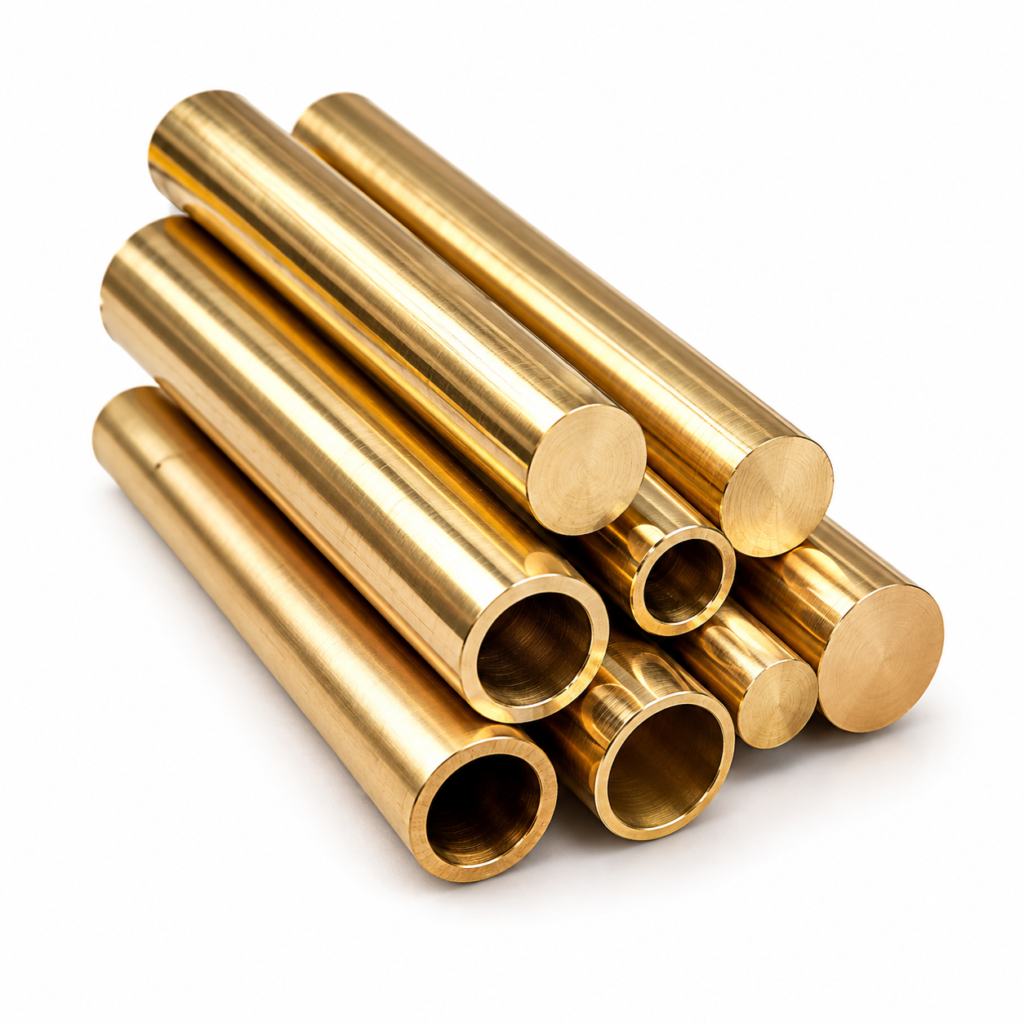
Brass
Brass offers excellent machinability, corrosion resistance and attractive appearance for precision components.
Common Grades
C360, C260
Key Benefits
Easy to machine Corrosion resistant Decorative finish
Applications
Fittings Valves Connectors Hardware
Finishes
Polishing Plating Brushing As machined
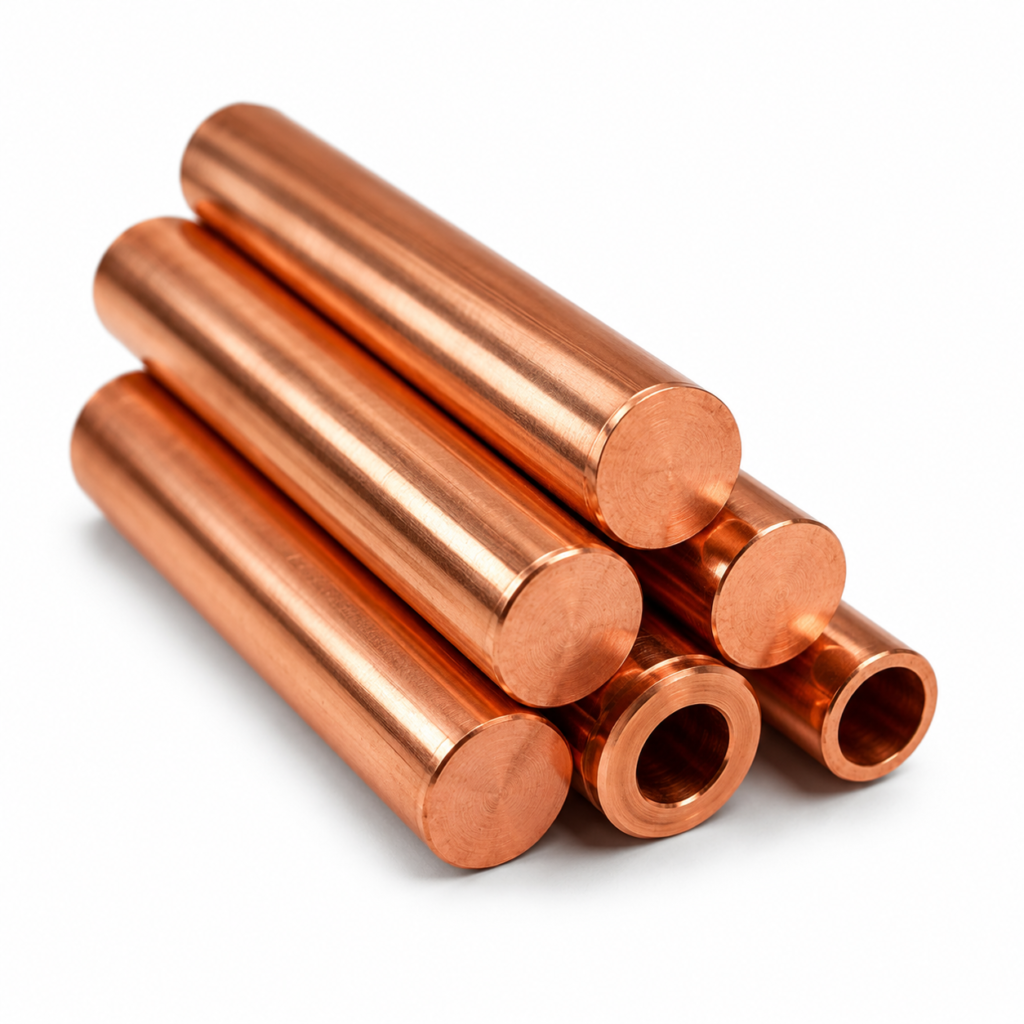
Copper
Copper combines excellent electrical and thermal conductivity with good machinability.
Common Grades
C101, C110
Key Benefits
Conductive Thermal performance Corrosion resistant
Applications
Busbars Heat sinks Contacts Electrical parts
Finishes
Polishing Plating Brushing As machined
Titanium
Titanium provides a high strength-to-weight ratio, excellent corrosion resistance and dependable performance.
Common Grades
Grade 2, Grade 5
Key Benefits
High strength Lightweight Corrosion resistant
Applications
Aerospace parts Medical parts High-performance components
Finishes
Polishing Blasting Anodizing As machined
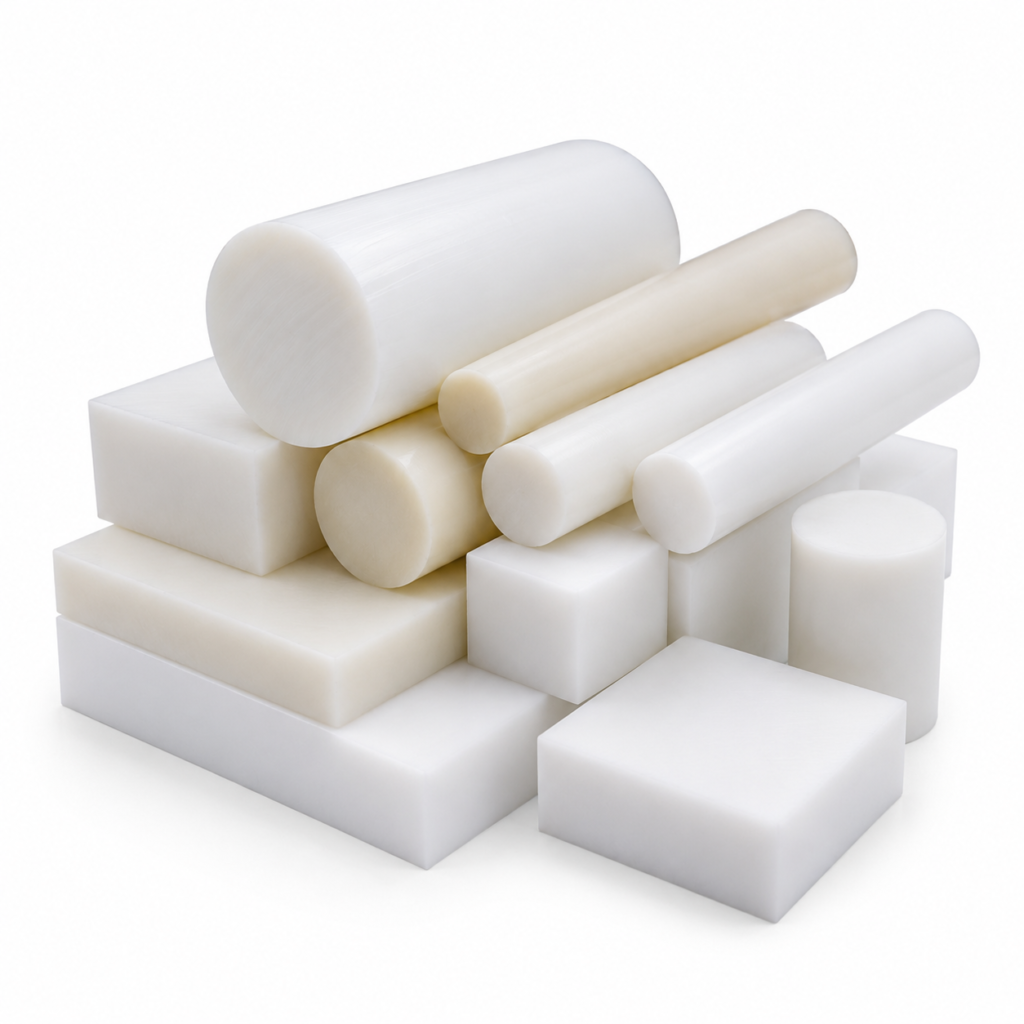
Plastic CNC Machining

ABS CNC Machining

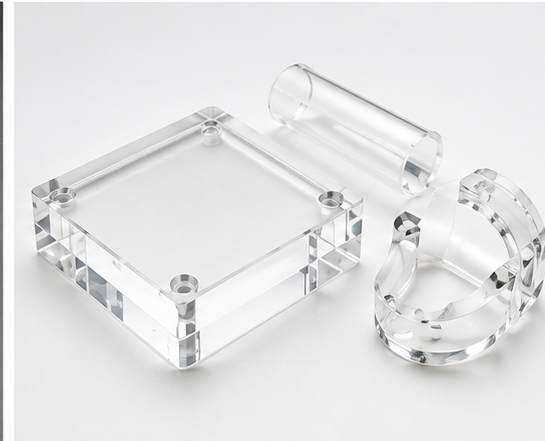
Acrylic CNC Machining
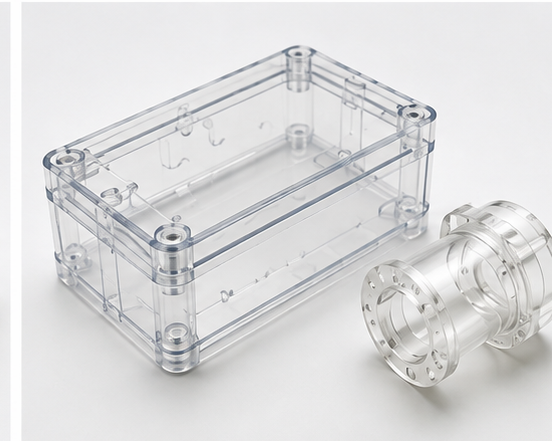
PC CNC Machining
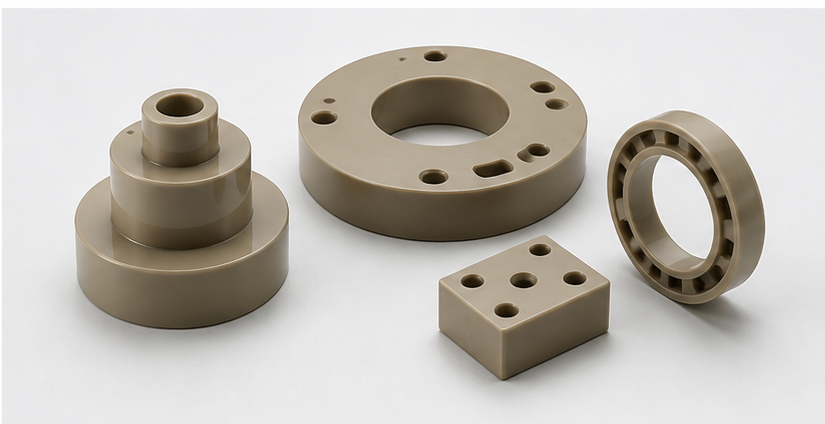
PEEK CNC Machining
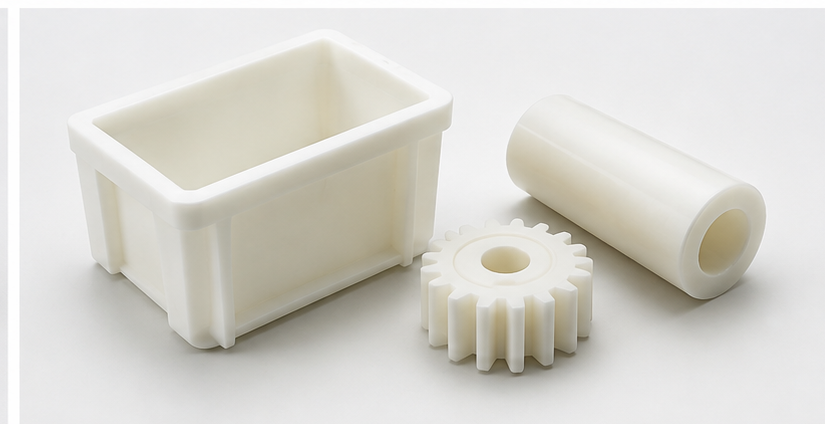
PP CNC Machining
Have a CNC Project in Mind?
Send us your drawings and requirements. Our engineering team will review your project and provide a clear, competitive quote.
From Design to Finished Parts
Upload your CAD files and receive a fast manufacturing quote. Once approved, we handle production, quality inspection, and delivery.
Get a Quote
Upload your CAD files and project requirements. Our engineers review your design and provide a fast, accurate quote.
Start Production
Once your order is confirmed, production begins. We manage machining, inspection, and manufacturing progress throughout the process.
Receive Your Parts
After final quality inspection, your parts are securely packed and shipped directly to your location.
CNC Machining Surface Finishes
A variety of surface finishing options to enhance the appearance, performance and durability of your parts.
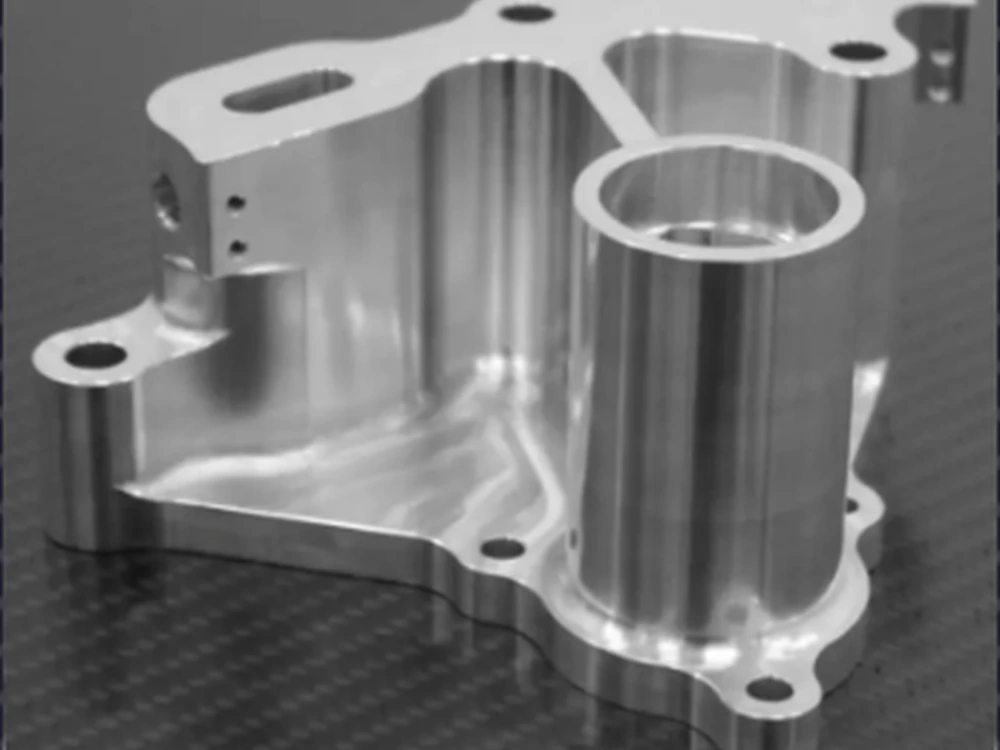
As-Machined / Deburred
Removes burrs and sharp edges while maintaining the original machined surface. Typical roughness: Ra 3.2 μm.
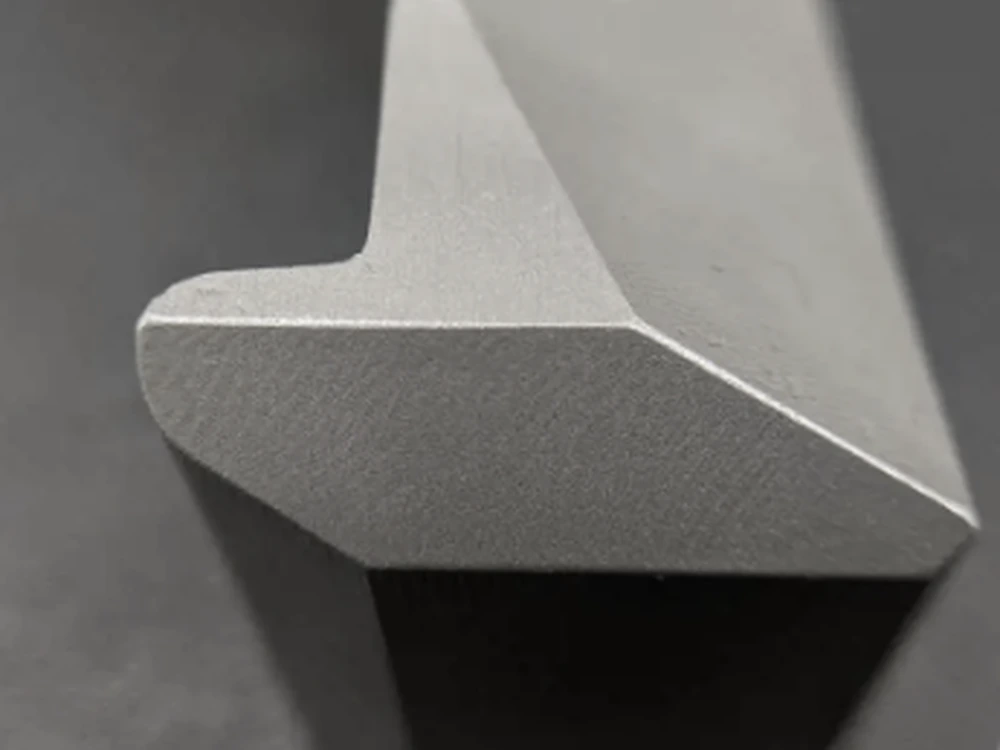
Sandblasting
Creates a consistent matte texture and reduces visible machining marks for a clean, uniform appearance.
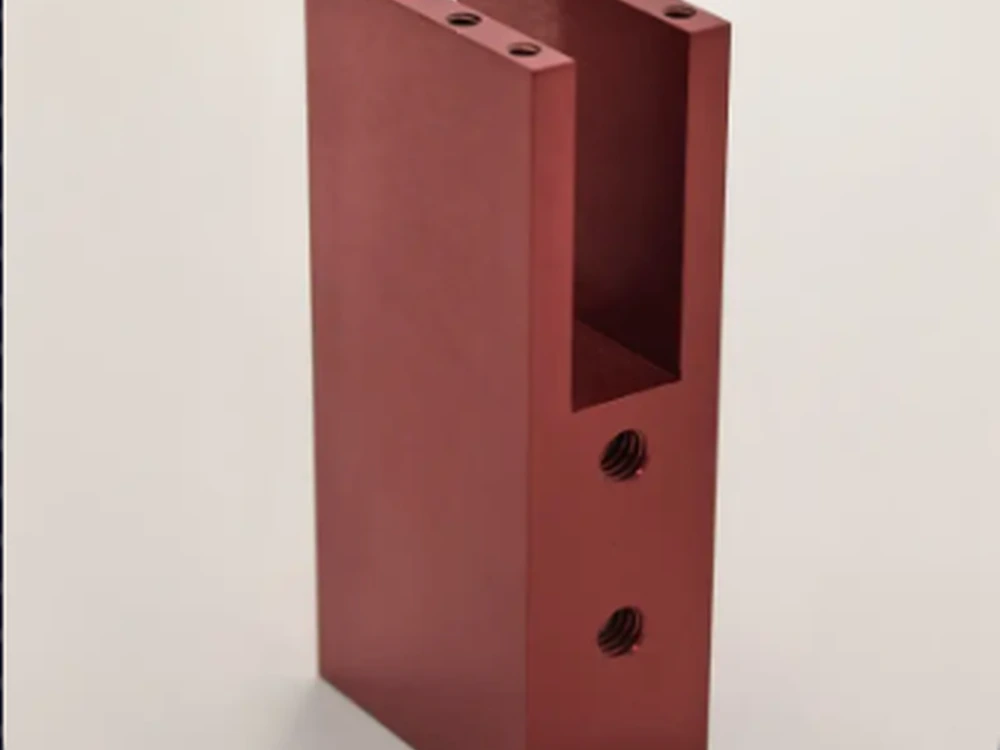
Anodizing
Adds a protective oxide layer to aluminum parts for improved durability, corrosion resistance and appearance.
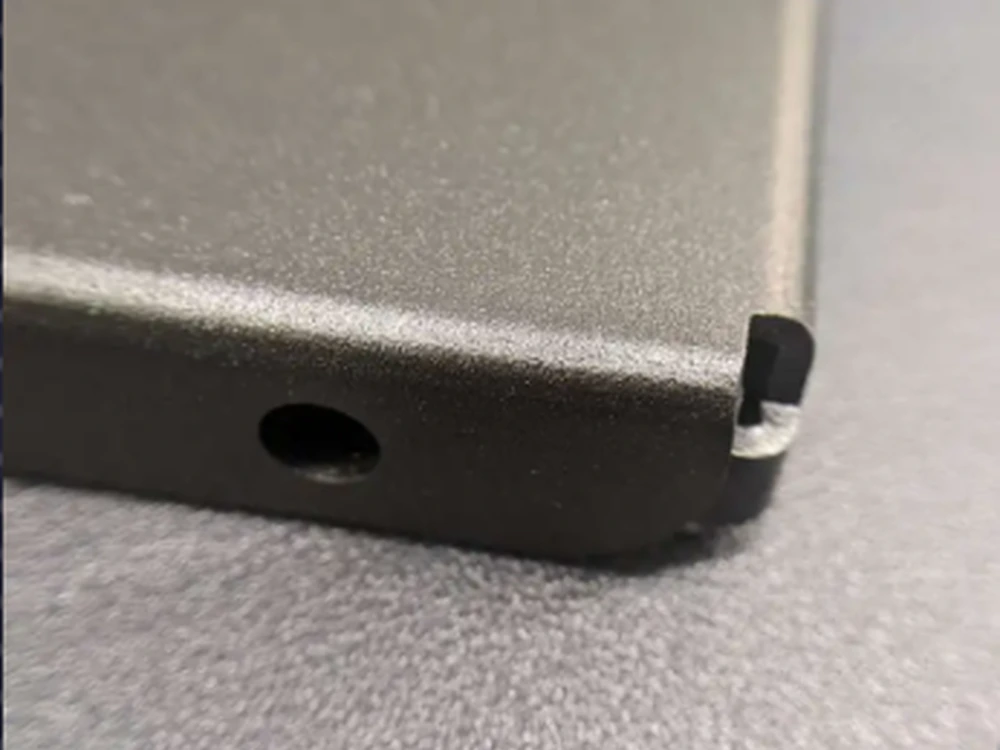
Powder Coating
Provides a durable coated surface with excellent wear resistance, corrosion resistance and multiple color options.
Polishing
Creates a smooth, glossy metal surface with improved appearance while maintaining dimensional accuracy.
Brushing
Produces a uniform directional texture on metal surfaces for a clean and consistent finish.
Smooth Machining
Reduces visible tool marks through optimized machining parameters for a smoother surface finish.
Black Oxide
Creates a thin black protective layer that reduces reflectivity and provides mild corrosion resistance.
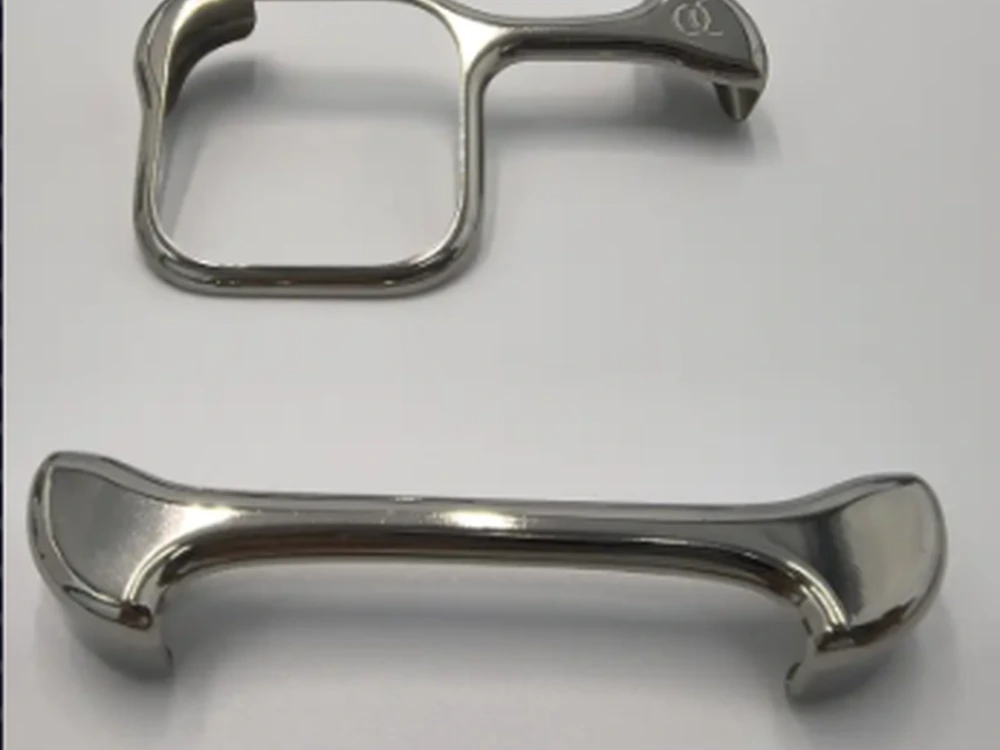
Electroless Nickel Plating
Deposits a uniform nickel layer without electrolysis, providing excellent corrosion and wear resistance.
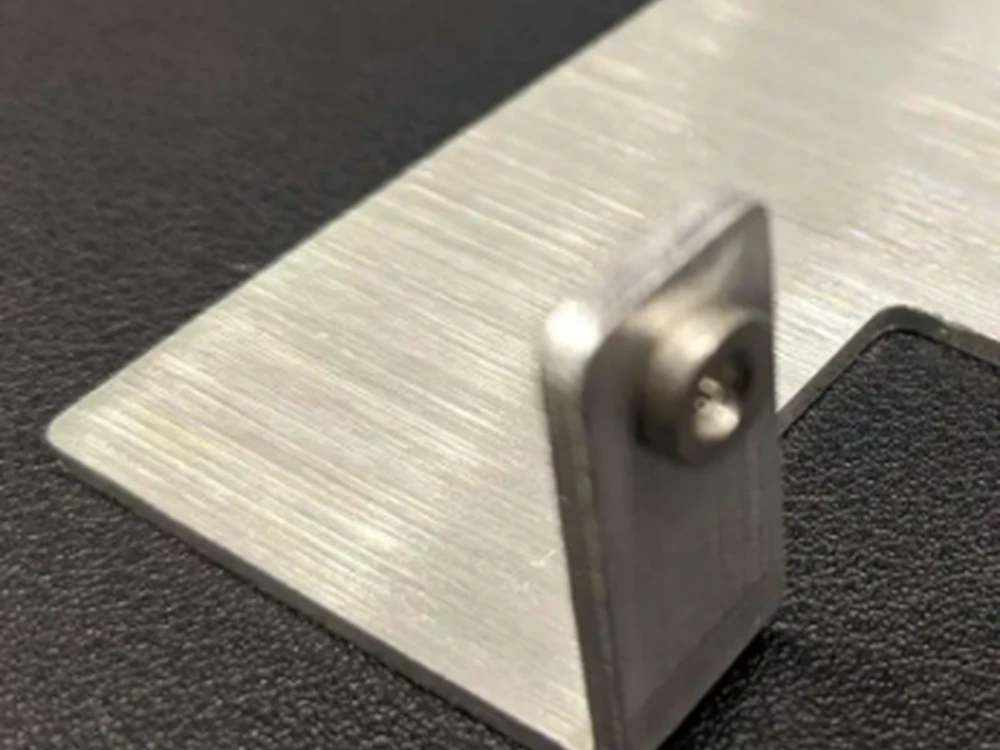
Alodine / Chem Film
Creates a thin conversion coating on aluminum for improved corrosion resistance and electrical conductivity.
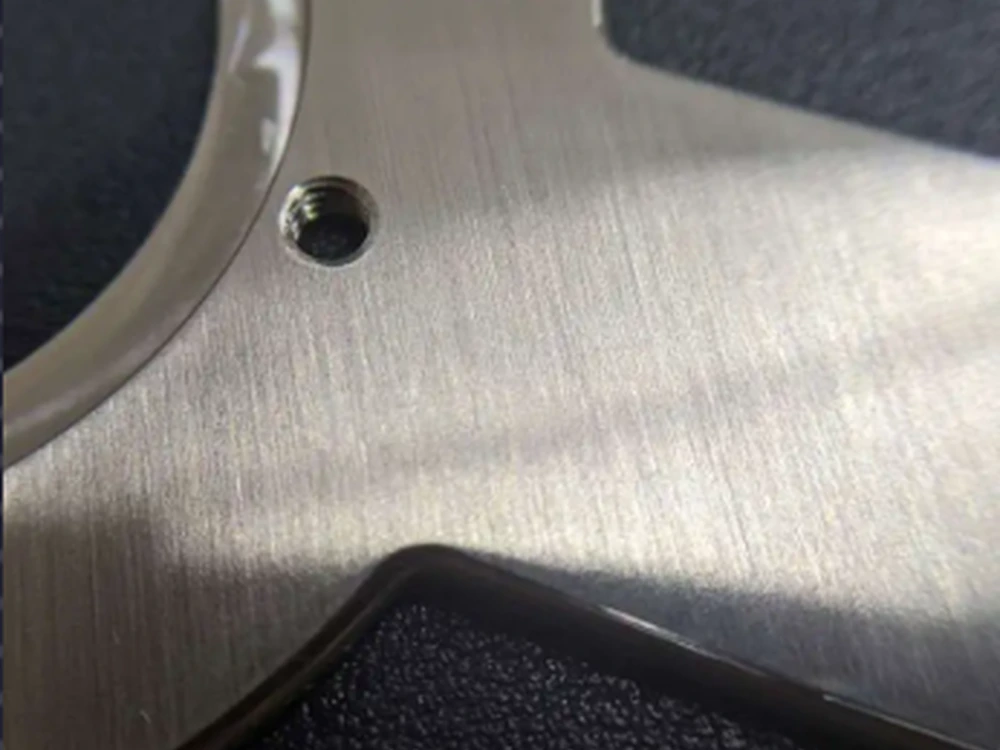
Electroplating
Applies a protective metal coating to improve surface hardness, wear resistance and overall durability.
Nickel Plating
Adds a durable nickel layer that improves corrosion resistance, surface hardness, wear resistance and appearance.
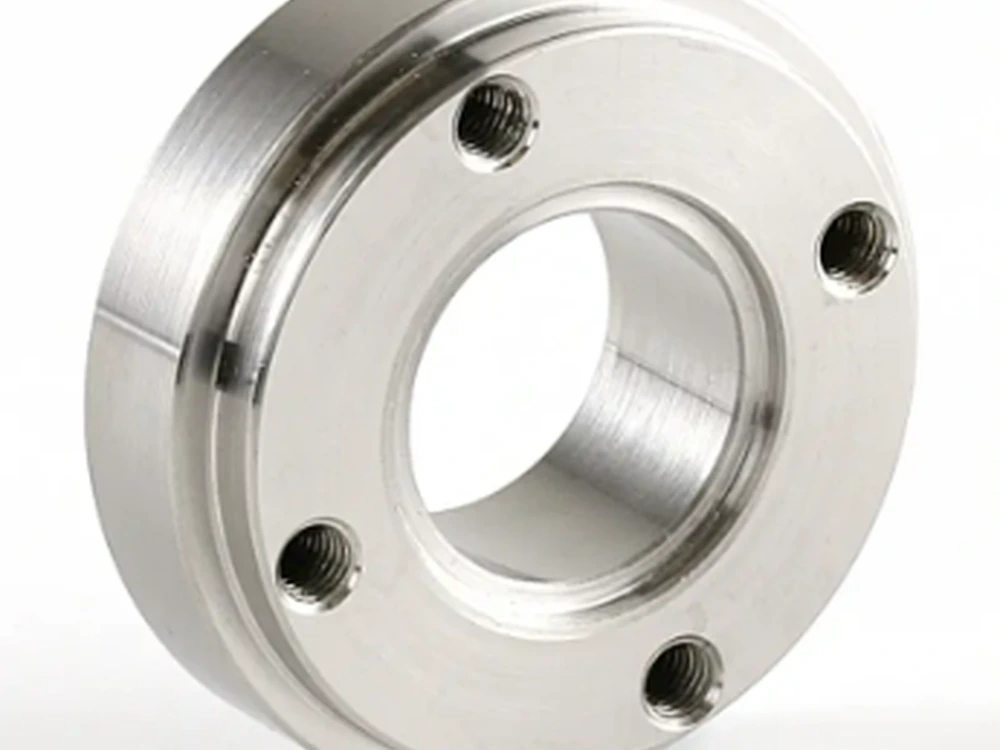
Laser Cladding
Provides excellent wear and corrosion resistance while repairing small surface defects such as pores, microcracks and casting imperfections.
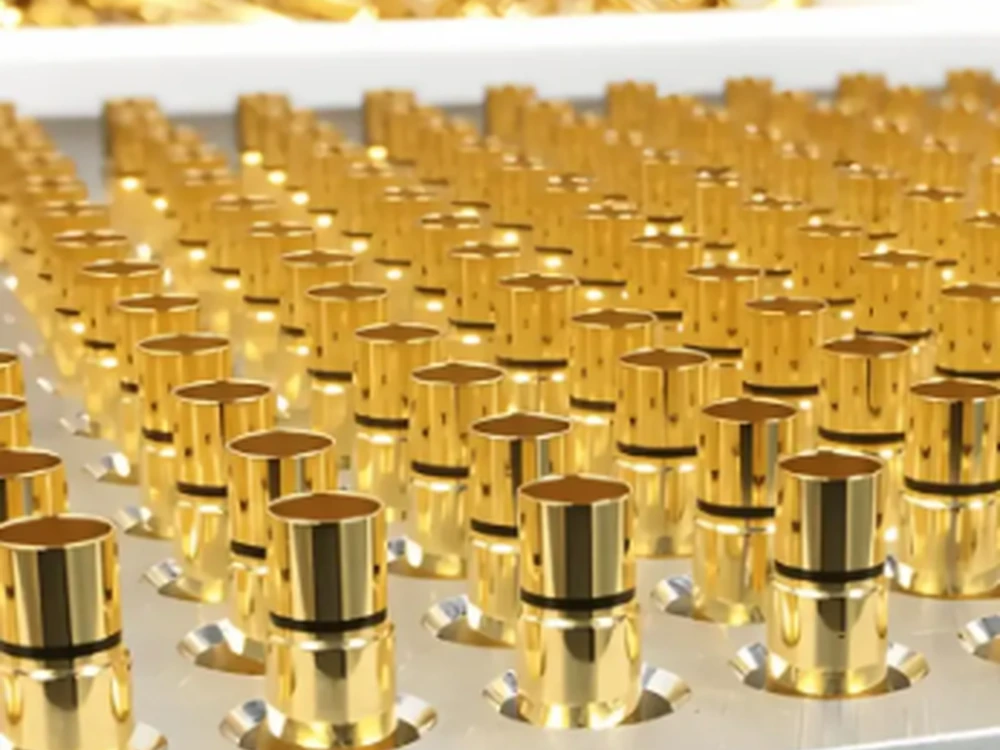
Tumbling
Creates a smooth, bright surface with a random, non-directional finish. Ideal for deburring and polishing.
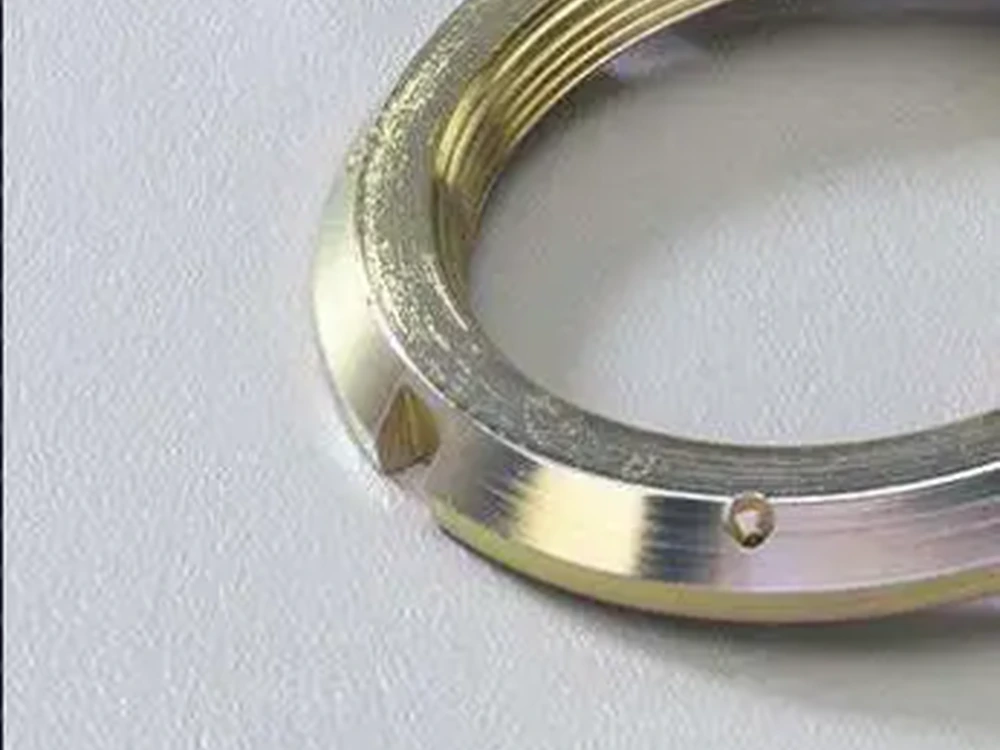
More Finishing Options
Explore additional surface finishing options to meet your specific requirements for appearance, performance and durability.
Precision Machining Tolerances
Standard machining tolerances for parts without specified drawing requirements.
| Type | Tolerance | Default Standard |
|---|---|---|
| Linear Dimensions |
±0.025 mm
±0.001 in
|
ISO 2768 Medium |
| Hole Diameter (Unreamed) |
±0.025 mm
±0.001 in
|
ISO 2768 Medium |
| Shaft Diameter |
±0.025 mm
±0.001 in
|
ISO 2768 Medium |
| Part Size Limit | 2000 mm × 1500 mm × 300 mm | ISO 2768 Medium |
CNC Machining vs. Other Manufacturing Processes

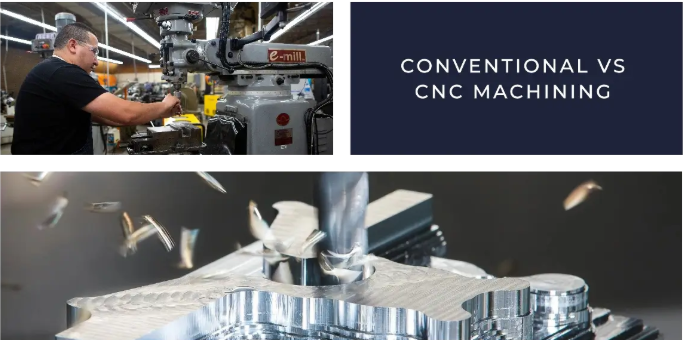
CNC Machining vs. Conventional Machining
Unlike CNC machining, conventional machining relies on operators to manually control cutting tools using levers and handwheels. It offers less precision and consistency because cutting speed, feed rate, and depth are manually controlled. For simple parts and small production runs, conventional machining can be a cost-effective option.
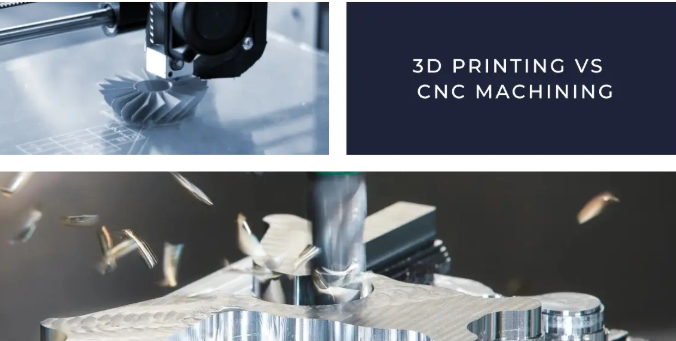
CNC Machining vs. 3D Printing
3D printing is an additive manufacturing process that builds parts layer by layer from CAD designs. It requires minimal tooling and setup, making it ideal for rapid prototyping and complex geometries. CNC machining, however, typically provides higher dimensional accuracy, better surface finishes, and stronger parts for demanding applications.
| Feature | CNC Machining | Traditional Machining |
|---|---|---|
| Precision & Complexity | Complex geometries with high precision (±0.127 mm) | Precision and complexity are limited by operator skill |
| Time Efficiency | Highly automated with automatic tool changes and machine setup | Requires manual adjustments and tool changes |
| Repeatability | Highly repeatable with consistent parts across production batches | Quality may vary depending on operator experience |
| Material Range | Wide range of materials, including hard metals | More suitable for relatively softer materials |
| Flexibility | Programmable and efficient for design changes and revisions | Suitable for prototypes and small production runs |
| Setup Time | Initial setup and programming can take more time | Simple and quick setup |
| Production Volume | Suitable from prototyping to large-scale production | Better suited for low-volume production |
| Feature | CNC Machining | 3D Printing |
|---|---|---|
| Precision & Complexity | High precision for complex geometries (±0.127 mm) | Moderate precision and well suited for complex designs |
| Time Efficiency | Highly automated with automatic tool changes and machine setup | Fully automated with minimal operator intervention |
| Repeatability | Excellent repeatability with consistent parts across production batches | Highly repeatable and ideal for rapid prototyping |
| Material Range | Wide range of materials, including hard metals and plastics | Limited to materials compatible with specific printing technologies |
| Flexibility | Programmable and efficient for design changes and revisions | Highly flexible and easy to switch between designs |
| Setup Time | Initial machine setup and programming can require more time | Minimal setup with primarily digital preparation |
| Production Volume | Suitable from prototyping to large-scale production | Best suited for prototypes and low-volume production |
Technical Overview
What CNC machines does ProleanTech have?
Our CNC facility is equipped with a wide range of machines, including 3-axis to 5-axis CNC mills, CNC lathes, CNC turning centers, laser cutting machines, and CNC grinders. These machines also support a variety of tooling options.
What are Prolean’s standard CNC machining tolerances?
Our CNC machines can achieve tolerances as tight as ±0.0002 in (0.005 mm). For critical applications, we can further tighten the tolerances depending on your part requirements.
What is the maximum part size your factory can produce?
Our maximum CNC machining capacity is 2000 mm × 1500 mm × 300 mm, which is suitable for large components such as furniture and architectural parts. We also support the prototyping and production of large machined parts made from metals and plastics.
How do you control the quality of CNC machined parts?
We have in-house quality control facilities equipped with advanced inspection equipment, including digital gauges, coordinate measuring machines (CMMs), calipers, micrometers, X-ray analyzers, and hardness testers. We can also provide a First Article Inspection Report (FAIR) for your parts upon request.
What is the difference between CNC milling and CNC turning?
CNC milling uses rotating cutting tools to remove material from a stationary workpiece, while CNC turning rotates the workpiece against a cutting tool. Milling is well suited for flat surfaces and complex geometries, while turning is ideal for cylindrical parts.
Why choose CNC machining over traditional machining?
Compared with traditional machining, CNC machining offers several advantages. It provides high precision, enables the production of complex geometries, and significantly reduces production time.
What industries use CNC machining?
Industries such as automotive, aerospace, medical, energy, defense, transportation, marine, and many others rely on CNC machining to produce precision components.
What are the common types of CNC machining operations?
We have in-house quality control facilities equipped with advanced inspection equipment, including digital gauges, coordinate measuring machines (CMMs), calipers, micrometers, X-ray analyzers, and hardness testers. We can also provide a First Article Inspection Report (FAIR) for your parts upon request.