

Rapid Prototyping Guide
How Much Does Rapid Prototyping Cost?
The honest answer is “it depends,” but that does not mean your budget has to be a mystery. Once you understand the few variables that drive a prototype quote, you can choose the right 3D printing process and avoid paying for performance your part does not need.
Why There Is No Single Rapid Prototyping Price
Two parts that fit inside the same shipping box can have very different manufacturing costs. A simple bracket may print with little support and minimal cleanup. A thin-walled housing of similar size may need a finer process, carefully placed supports, post-curing, sanding, color matching, and inspection. The outside dimensions alone tell only part of the story.
Online prices are therefore useful as rough orientation, not as a quotation. Older discussions often compare an inexpensive first 3D printed part with more costly CNC machining or casting. The principle still holds: processes have different setup costs and become economical at different quantities. However, machine time, labor, materials, location, and quality requirements change. A current supplier quote based on your files is the only reliable number.
Seven Factors That Drive 3D Printing Cost
1. CAD readiness
A clean, watertight model can move directly into design-for-manufacturing review. Broken surfaces, zero-thickness walls, or unclear assemblies require engineering time before production begins. Sending a STEP file for review and an STL or 3MF file when appropriate usually makes the quotation faster and more accurate.
2. Part volume and build height
A larger part consumes more material and occupies more machine capacity. Build height can also lengthen the cycle because many printers work layer by layer. Hollowing a display model may reduce material, but functional walls still need adequate thickness and drainage openings where resin or powder could become trapped.
3. Geometry and support structures
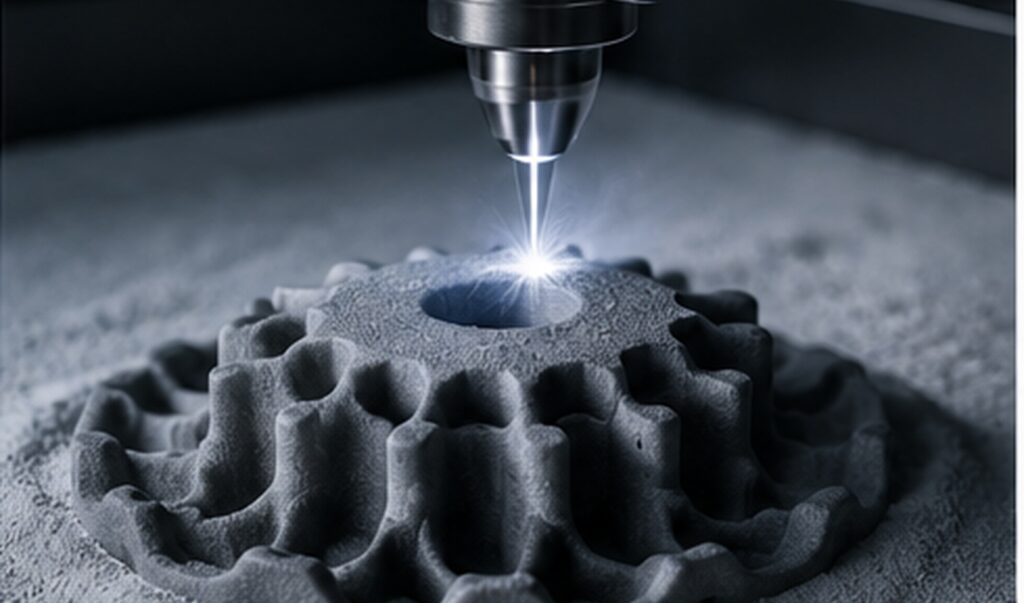
Overhangs, deep cavities, delicate pins, and inaccessible internal channels influence orientation and support strategy. Supports use material and take time to remove. They may also leave marks that need finishing. SLS 3D printing is different because surrounding powder supports the part, which makes it attractive for complex nylon components and nested batches.
4. Material and process
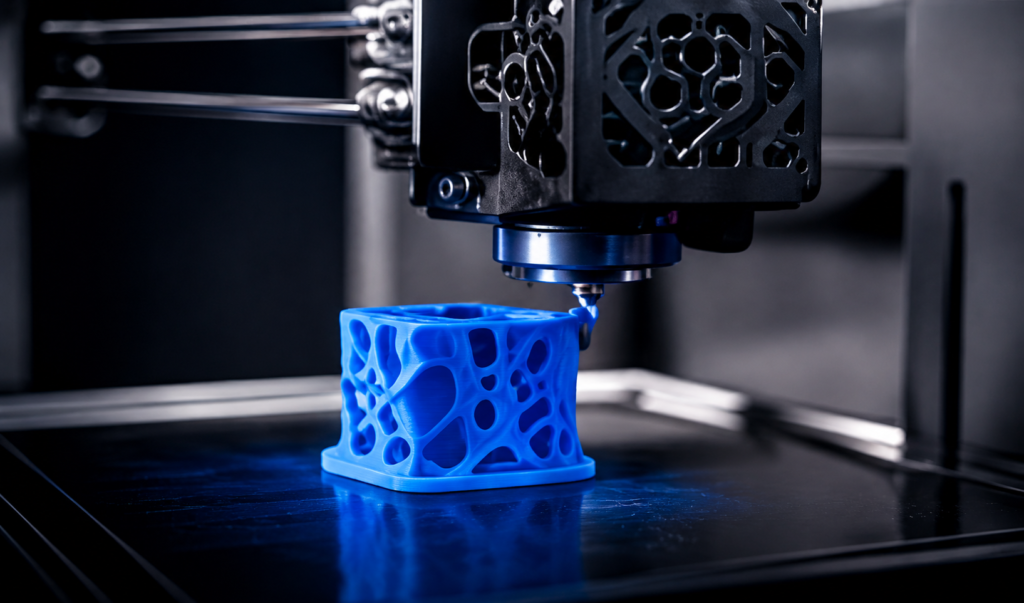
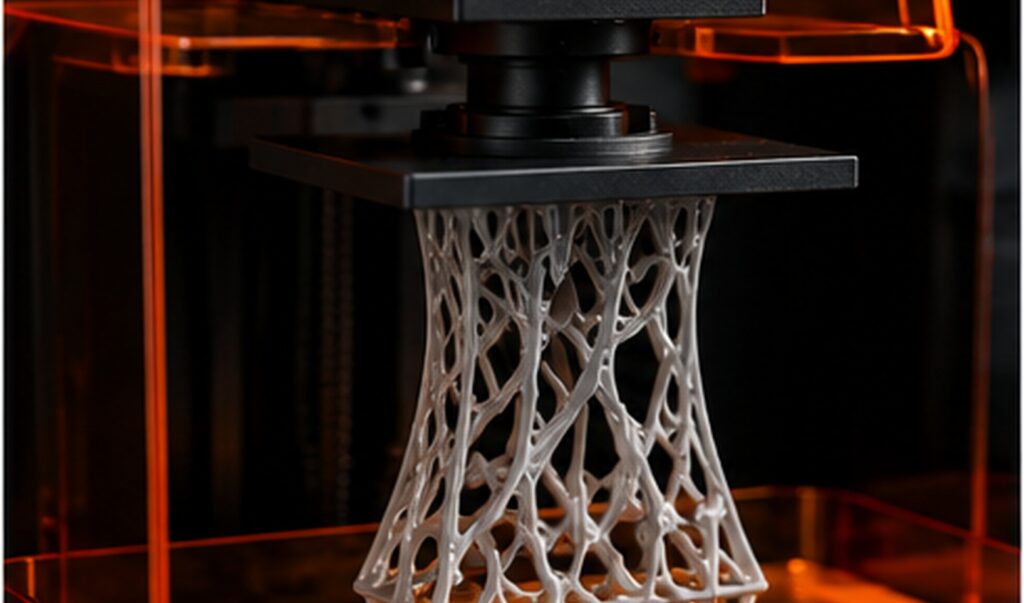
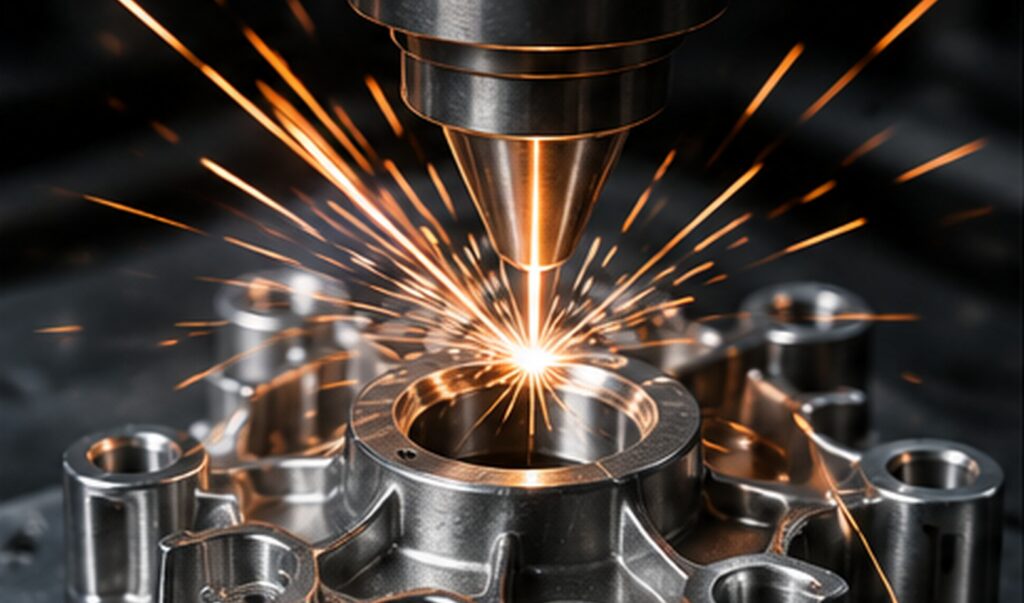
Standard FDM thermoplastics are generally economical for early fit checks, fixtures, and visual prototypes. SLA resin delivers sharper detail and smoother surfaces. SLS nylon is well suited to durable functional parts, while metal 3D printing addresses heat, strength, and geometry requirements that plastics cannot. Choosing the cheapest process without considering the test goal often leads to another prototype—and a higher total cost.
5. Tolerance and inspection
Do not apply a tight tolerance to every dimension. Critical mating features may justify additional process control, secondary machining, or CMM inspection; cosmetic and non-mating surfaces often do not. Marking only the dimensions that affect function helps a supplier plan the right manufacturing and inspection route.
6. Surface finish
Support removal and standard cleaning may be included, but sanding, polishing, painting, dyeing, plating, vapor smoothing, threaded inserts, or custom color work add labor. A presentation model can cost more to finish than to print. Define which surfaces will be visible and what “good” needs to look like.
7. Quantity and lead time
One unit carries all setup and review costs. Several parts may share a build, reducing the average price, especially with SLS. On the other hand, rush production can require a dedicated machine slot or extra shifts. If the date is flexible, say so when requesting a rapid prototyping quote.
Which Rapid Prototyping Process Fits Your Budget?
| Process | Best used for | Relative cost | Watch for |
|---|---|---|---|
| FDM | Early concepts, large visual models, fixtures | Low | Layer lines and anisotropic strength |
| SLA | Fine detail, smooth housings, presentation parts | Low to medium | Supports, post-curing, resin behavior |
| SLS | Functional nylon parts and nested batches | Medium | Grainy surface and powder removal |
| Metal 3D printing | Complex, high-performance metal components | High | Supports, heat treatment, machining, inspection |
How to Lower Rapid Prototyping Cost Without Ruining the Test
Begin with the question the prototype must answer. If you are checking overall size and assembly space, a basic FDM model may be enough. If you are evaluating snap fits, heat resistance, fluid contact, or a cosmetic surface, choose the material and process around that requirement.
Next, simplify what does not affect the test. Remove tiny text, hidden cosmetic details, unnecessarily thick solid regions, and deep pockets that create difficult cleanup. Split a large model only when joining the sections will not distort the result. For multiple components, ask whether they can share a build.
One of the best cost-saving habits is to prototype in stages. Use an inexpensive version to check form and fit, revise the CAD, then order the higher-quality functional or presentation build. A two-step plan can feel slower on paper, but it is usually cheaper than discovering a basic geometry problem in an expensive metal or fully finished prototype.
What to Send for an Accurate Prototype Quote
- A STEP, STL, or 3MF file in the correct units
- Required quantity now and expected quantity later
- Preferred process and material—or the real performance requirement
- Critical dimensions, tolerances, and inspection expectations
- Surface finish, color, visible faces, and threaded hardware
- Target delivery date and shipping destination
- The purpose of the prototype: visual, fit, functional, or pre-production
A capable rapid prototyping service should also flag risks. Thin walls, trapped powder, unsupported features, and unrealistic tolerances are easier to correct before the build starts. The most useful quotation is not simply the lowest number; it is the one that clearly matches the part’s purpose.
Rapid Prototyping Cost: Frequently Asked Questions
How much does a rapid prototype usually cost?
A small plastic part made from ready CAD may cost tens of dollars, while detailed, finished, large, metal, or tightly inspected parts can cost hundreds or more. Geometry, material, process, quantity, finish, and lead time determine the actual quote.
What is the cheapest 3D printing process for a prototype?
FDM is often the lowest-cost choice for simple concept models, fit checks, fixtures, and larger visual parts. It is not automatically best when smooth surfaces, tiny details, isotropic behavior, or demanding mechanical properties are required.
Is SLA or SLS better for rapid prototyping?
Choose SLA for fine detail and a smooth resin surface. Choose SLS for durable nylon parts, complex unsupported geometry, and functional assemblies. The better process is the one that reproduces the properties you need to test.
How can I get a more accurate 3D printing quote?
Provide a clean 3D model, quantity, material requirements, critical tolerances, finish, delivery date, and the prototype’s purpose. Explaining what the part must prove often helps an engineer suggest a more economical process.
When should I use CNC machining instead of 3D printing?
CNC machining is often preferable when the prototype must use production-grade stock material, hold tight tolerances, or reproduce a machined surface. 3D printing is especially useful for fast iteration, complex internal shapes, and low setup requirements.
Explore Xproto 3D Printing Services and Request a Rapid Prototyping Quote
Pricing examples in this guide are for early planning only and are not a formal quotation.