

Urethane Vacuum Services
Vacuum molding, also known as silicone molding or hand board molding, is an economical alternative to small batch injection molding of plastic parts. Usually, molds use CNC or SLA parts as prototypes, made of silicone material, and parts are made by pouring polyurethane PU material through vacuum injection molding.Rapid Model possesses leading vacuum replication technology, utilizing silicone molds to quickly replicate polyurethane castings similar to engineering plastics, making it an ideal choice for functional testing and small-scale production of hand boards.
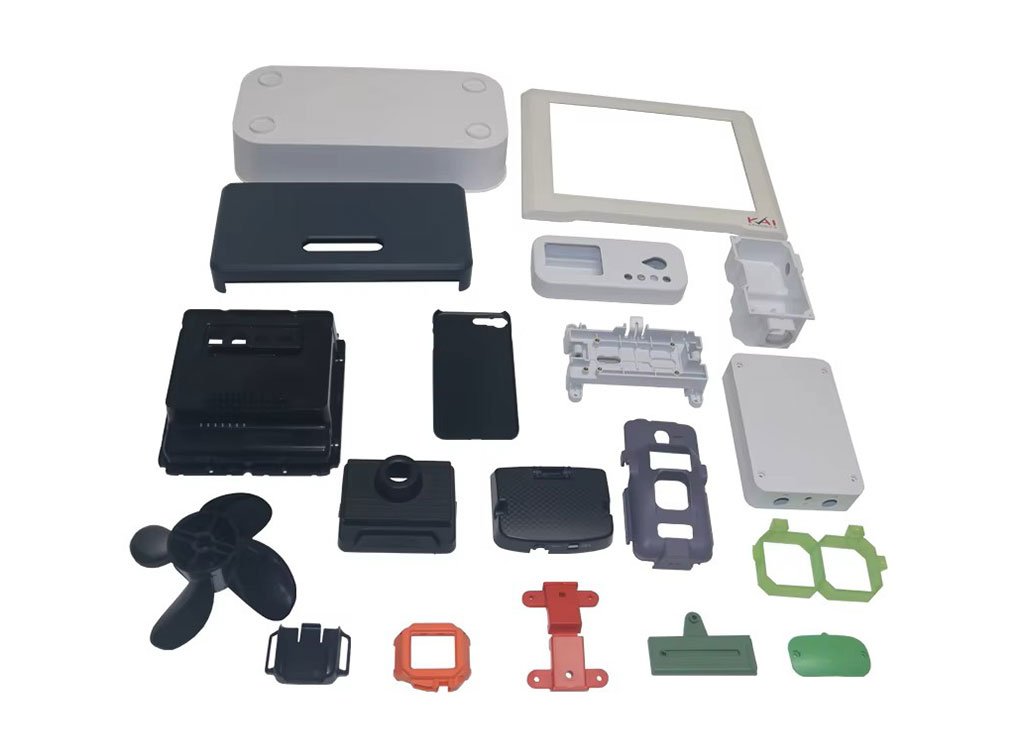
Core advantage
Vacuum casting, also known as vacuum replica, creates a vacuum silicone mold using the original template, and then pours the material into degassing, mixing, preheating, casting, and other processes for cloning.
01.
Price advantage
The silicone replica process does not require expensive and time-consuming injection molds
02.
Fast delivery
Up to 50 functional prototype parts can be produced in 10 to 15 days.
03.
Many materials
Polyurethane materials used for vacuum injection molding can be rigid, elastic, transparent, and of various colors
04.
Fine details
Vacuum replica can provide high-precision and high-precision parts with production grade quality levels.
05.
Excellent Quality
Compared to CNC hand boards or 3D printing, vacuum copying can provide better surface quality.
Precision Vacuum Molding Solutions For OEM Prototyping
BOHUI’s vacuum casting molding service is tailored for design engineers, product developers, and OEM/ODM teams needing high-fidelity parts without the expense of hard tooling. Leveraging silicone molds made from CNC or SLA master components, this approach bridges rapid prototyping and short-run production, giving businesses functional, production-representative parts before committing to traditional tooling investments. Our process seamlessly integrates into broader plastic injection molding manufacturer workflows, enabling development continuity from prototypes to scalable production runs.
Material Versatility And Quality-Driven Engineering
Our vacuum casting process produces parts in a wide variety of polyurethane materials that simulate engineering plastics used in injection molded components. Materials can be rigid, flexible, transparent, or colored, depending on functional requirements. Unlike standard rapid prototyping alone, vacuum molding delivers fine surface details, consistent wall thickness, and dimensional accuracy suitable for engineering validation. This capability complements BOHUI’s plastic injection molding offerings when transitioning from low-volume parts to full injection mold production.
Functional Parts From Prototype To Production
Ideal for functional testing, aesthetic verification, and pre-production evaluations, BOHUI’s vacuum cast parts help OEM/ODM customers iterate design quickly while preserving critical product geometry. By replicating production-like features and surface finishes, these parts provide reliable feedback ahead of committing to plastic injection molding manufacturer-grade steel tooling. With typical delivery of 10–50+ parts in about 10–15 days, OEM teams can validate performance expectations efficiently and economically.
Product Advantages
Silicone Mold Efficiency and Cost-Effective Production
BOHUI’s vacuum casting molding uses silicone molds derived from precise master models, eliminating the need for expensive injection molds at early stages. This reduces initial development costs while still producing parts with surface finish and detail that rival those of injection molded components. For OEM/ODM workflows, this enables cost-efficient validation before engaging in full plastic injection molding service tooling cycles.
Engineering-Grade Material and Dimensional Fidelity
The vacuum casting process supports a spectrum of polyurethane resin formulas that replicate critical mechanical properties of target production plastics. Combined with advanced vacuum degassing and controlled casting parameters, parts exhibit tight dimensional consistency and surface quality. This makes them suitable for performance assessment, fit checks, and early life cycle testing, laying the groundwork for optimized injection molding designs.
Seamless Integration With OEM/ODM Manufacturing Chains
BOHUI’s expertise extends from prototype vacuum casting to full production readiness. Insights gained from early vacuum molded parts feed directly into mold design and plastic injection molding manufacturer strategies, shortening design iterations and improving manufacturability. This integrated workflow gives OEM/ODM customers clarity across product development phases while optimizing lead times and quality control.
Use Scenarios
Prototype Evaluation For Design Engineering Teams
When OEM design engineers require early verification of form, fit, and function, BOHUI’s vacuum casting molding delivers production-like parts quickly to evaluate engineering choices. These prototypes help validate designs ahead of committing to plastic injection molding tooling, mitigating risk and accelerating decision cycles in iterative design stages.
Small-Batch Functional Parts For Product Managers
Product managers developing new hardware products often need functional parts for field testing, pilot production, or market demos. With vacuum casting, small batches of prototype plastic components can be produced with materials that closely mimic production plastics, enabling meaningful feedback before scaling to plastic injection molding service runs.
OEM/ODM Evaluation Prior To Mass Production
For OEM/ODM manufacturing partners transitioning from prototype to production, vacuum cast parts offer a reliable baseline for design sign-off. These parts provide crucial physical evidence of performance expectations and manufacturability before engaging full plastic injection molding manufacturer tooling investments, saving time and reducing downstream corrections.
Product case
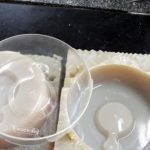
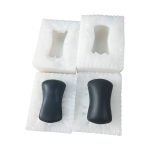
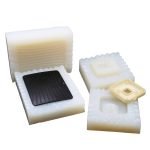
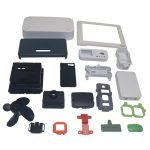
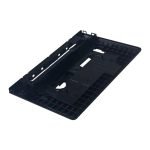
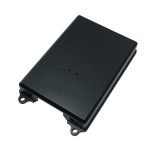
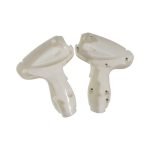
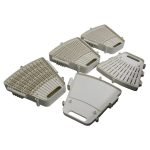
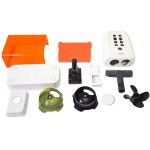
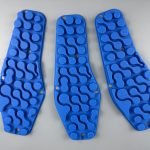
Silicone replica is an effective method for small batch production of functional hand boards and plastic parts, and helps you strike a balance between high-quality production of parts and the shortest delivery time.
FAQ
What lead times can I expect for vacuum casting parts?
Lead times for vacuum casting typically range from 10 to 15 days for small-run parts, depending on geometry and material specifications.
Do vacuum cast parts closely resemble injection molded parts?
Yes, vacuum casting using polyurethane materials can simulate production plastic properties and surface quality ahead of full plastic injection molding tooling.
Can I transition from vacuum casting to injection molding production?
Absolutely — vacuum cast prototypes often guide design iterations before transitioning to steel tooling for plastic injection molding service runs.
What industries benefit from BOHUI’s services?
Industries including automotive, aerospace, medical devices, and consumer electronics leverage BOHUI’s vacuum casting and injection molding capabilities.
How does BOHUI ensure part quality?
BOHUI uses comprehensive quality inspections including dimensional analysis and material verification before final delivery.